
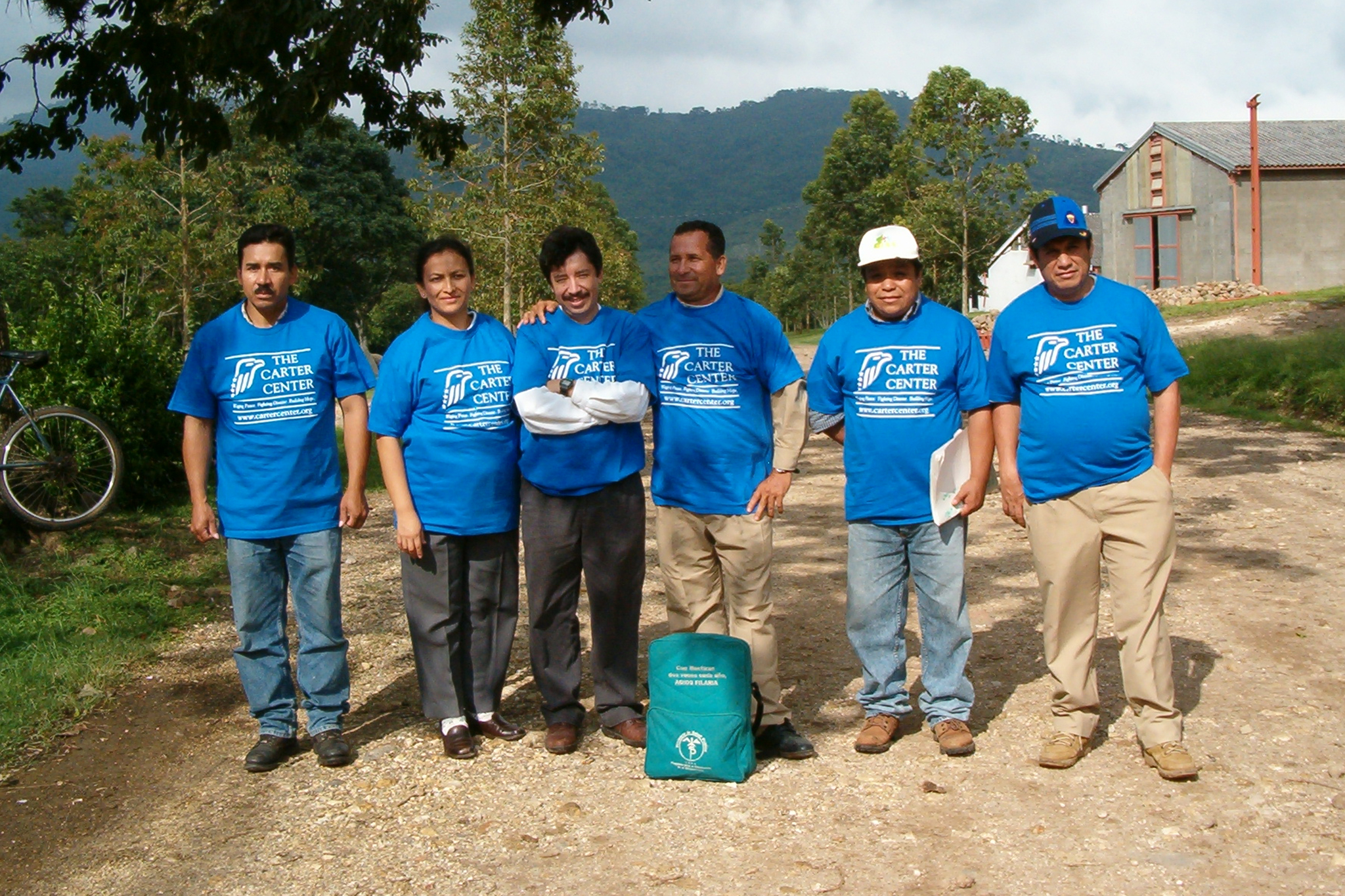
By The Numbers
100M
Leadership: The Center-led Guinea worm eradication campaign has averted more than 100 million cases of this devastating disease among the world’s poorest people.
1B
Treatment: The Carter Center has assisted in the distribution of more than 1 billion doses of medicine to prevent NTDs.
22
Partnerships: We have assisted 22 countries in Africa, Asia, and Latin America to eliminate at least one disease and gain official World Health Organization recognition.
Diseases We Tackle
Carter Center NTD programs fill vacuums in global health, helping to prevent needless suffering and build hope for millions worldwide.
Learn more below.
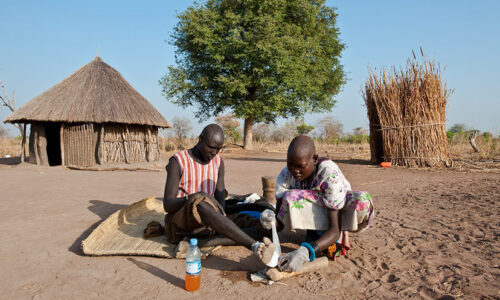
Guinea Worm Disease
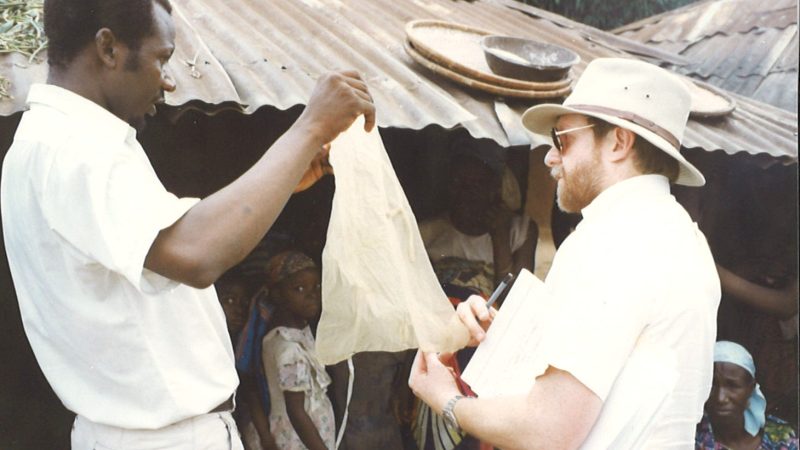
The Carter Center leads the international eradication campaign that has reduced human cases of this horrible disease by 99.99%, from an estimated 3.5 million in 21 countries in Africa and Asia in 1986 to a dwindling handful today.

River Blindness
The Center has assisted in the distribution of more than 500 million Mectizan® treatments in Africa and the Americas to eliminate river blindness, assisting national ministries of health to stamp out this dreadful parasitic infection.
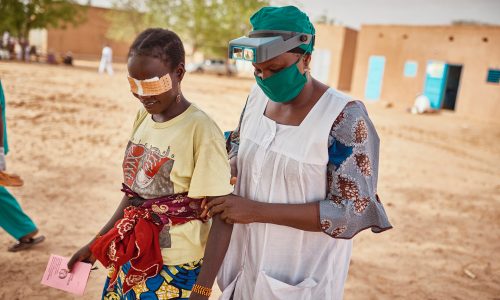
Trachoma
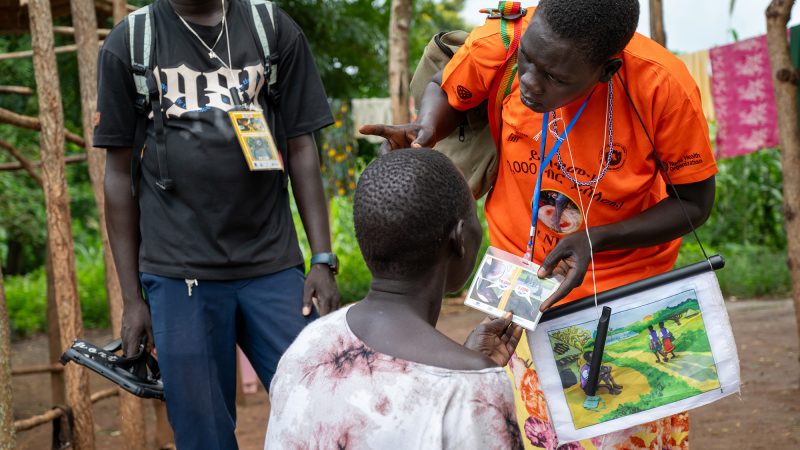
Since 1998, the Center has supported hundreds of thousands of eyelid surgeries, the distribution of hundreds of millions of doses of azithromycin, the building of millions of latrines, and health education in thousands of villages to control the world's leading infectious cause of preventable blindness.

Lymphatic Filariasis
The Center works to eliminate this debilitating parasitic disease from areas of Ethiopia, Nigeria, and the island of Hispaniola. Because LF is often linked to disfigurement and stigma, the Center is incorporating a mental health component into programming.
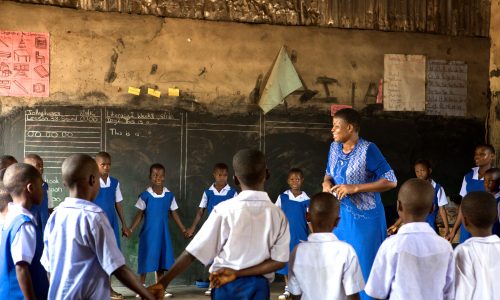
Schistosomiasis
The Carter Center undertakes one of the longest-running initiatives in providing health education and treatment for "snail fever" in Nigeria, where we have assisted in reducing blood in schoolchildren's urine — a telltale sign of infection — by approximately 50% in Plateau and Nasarawa states.
Malaria
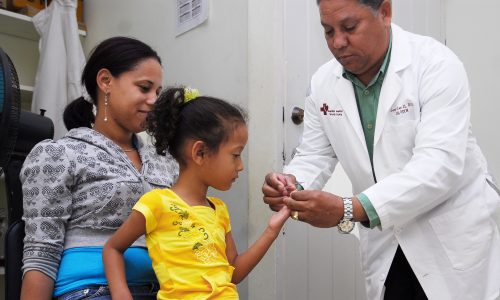
A precipitous decline in confirmed malaria cases in Haiti and the Dominican Republic in recent years indicates the national programs supported by the Center and partners to strengthen binational cooperation, provide technical assistance, and deliver anti-malaria interventions are succeeding.
Research & Publications
Read articles and publications by Carter Center health experts highlighting strategies, research, and progress toward elimination.
Related Initatives
The Carter Center goes beyond treating illnesses in the field to address long-term goals for global health and wellness.
Learn more below.

Global Mental Health & NTDs
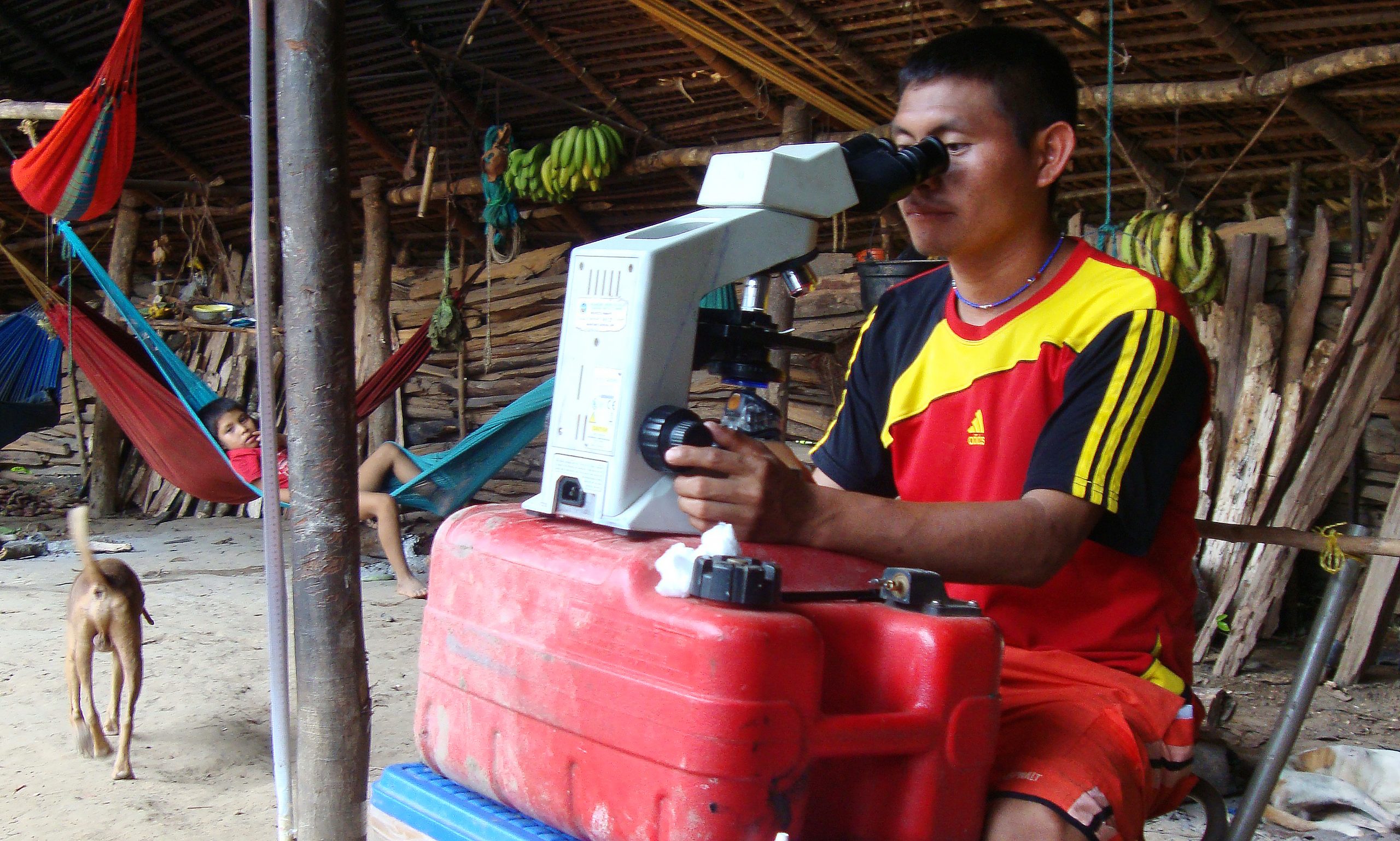
Some research suggests that NTDs predispose individuals to poor mental health. The Carter Center is uniquely positioned to address the stigma and mental health impact of NTDs, leveraging decades of mental health expertise under the leadership of former First Lady Rosalynn Carter.
ITFDE
Inspired by the successful eradication of smallpox, the International Task Force for Disease Eradication (ITFDE) formed at The Carter Center in 1988 to review progress in the field of disease eradication and the status of diseases selected for control or eradication and to recommend action steps.
Spotlight on Stories
Global Impact Starts with You
Your support sustains the Carter Center's mission of waging peace, fighting disease, and building hope around the world.