Chad
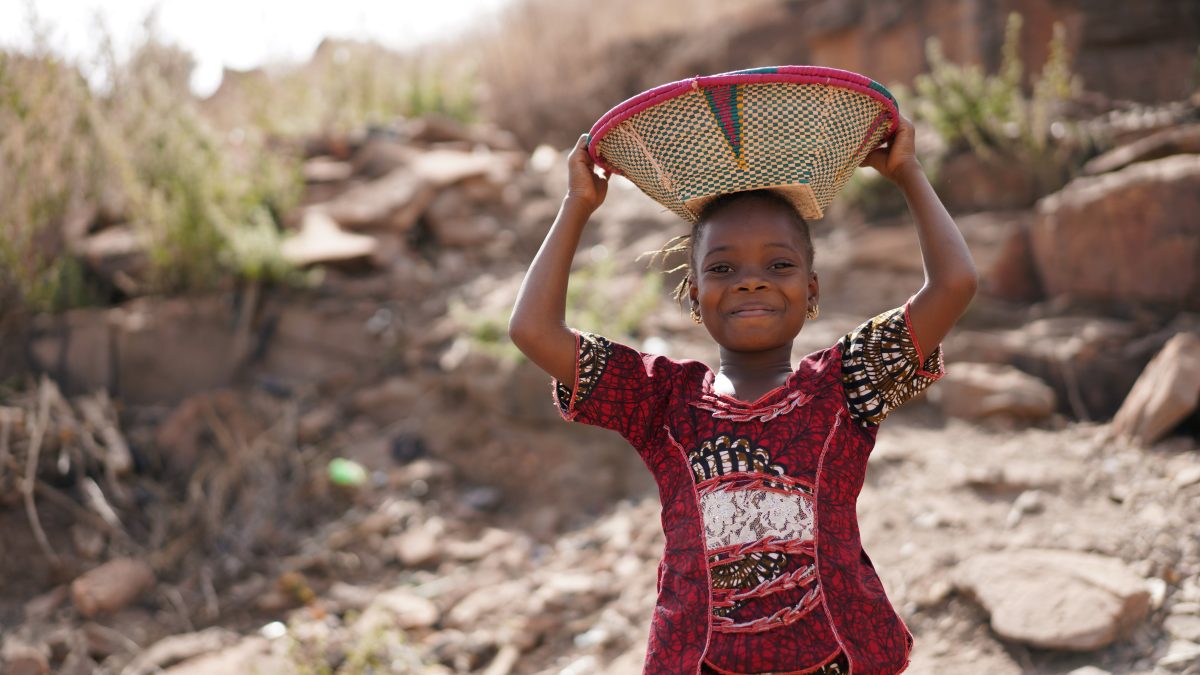
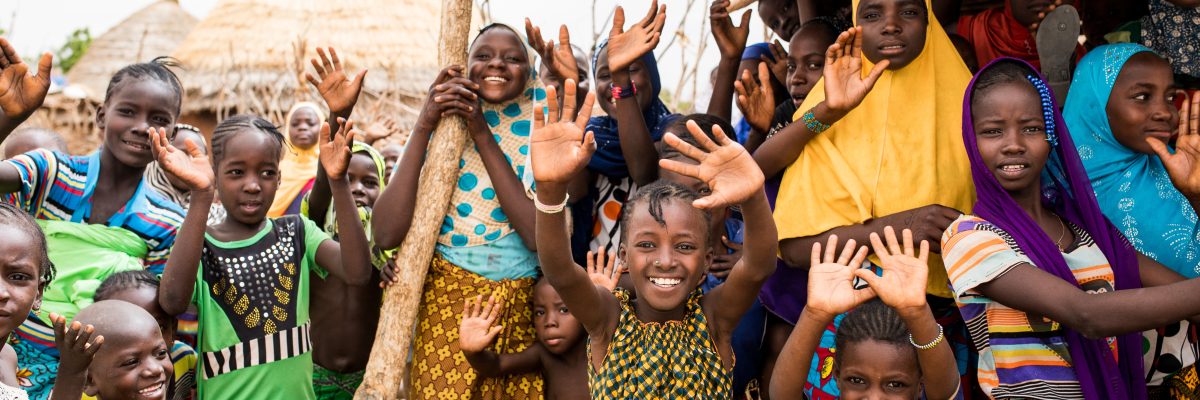
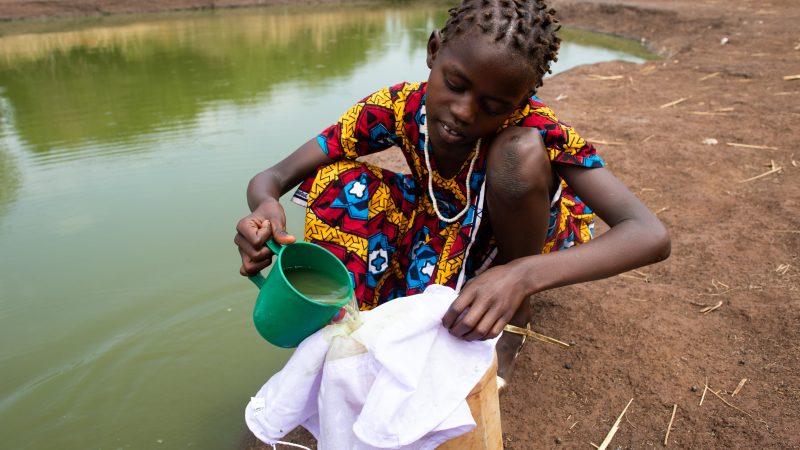
The Carter Center has worked with Chad’s Ministry of Health in a seesaw battle against Guinea worm disease, once thought to have been eliminated in the country. The Center is also helping to take on lymphatic filariasis and river blindness.
Short-term Goals
We are working to eliminate Guinea worm disease, river blindness, and lymphatic filariasis.
Impact
- Trained more than 2,500 village volunteers to enhance Guinea worm surveillance since 2011
- Distributed medication to approximately 3 million people over four days in 2025 to help stop transmission of lymphatic filariasis and river blindness
Guinea Worm Wrap-Up 335
Guinea Worm Wrap-Up 334 (Portuguese)
Guinea Worm Wrap-Up 334 (French)
Global Impact Starts with You
Your support sustains the Carter Center's mission of waging peace, fighting disease, and building hope around the world.