Nicaragua

Legacy

Democracy

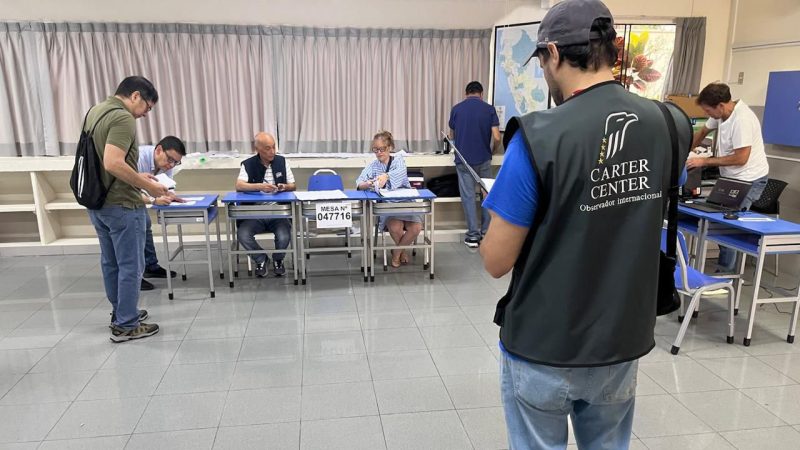
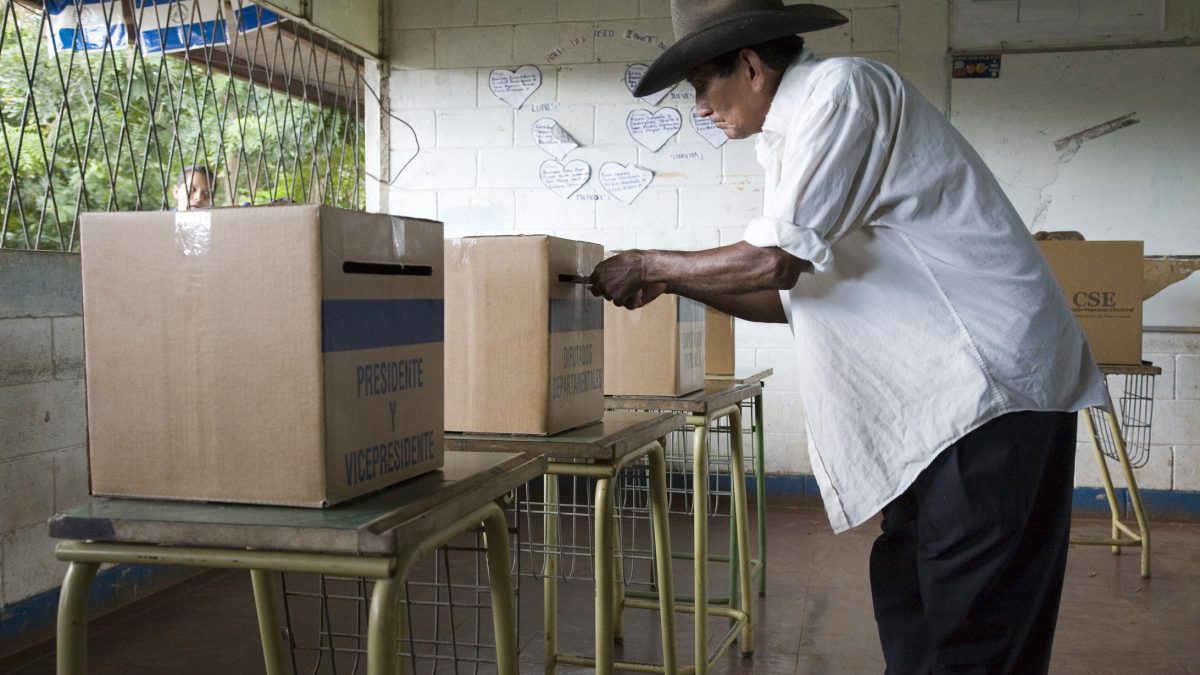
Until 1990, Nicaragua had never had an election in which the winners and all the losers accepted and respected the results. But in June 1989, Nicaraguan President Daniel Ortega, along with the Supreme Electoral Council and the National Opposition Union, invited the Carter Center’s Council of Freely Elected Heads of Government to observe the 1990 electoral process. 

President Carter wrote of this election: “For the first time in Nicaragua, power was transferred peacefully from the incumbent to a rival after a free and fair election. And for the first time in the world, a revolutionary regime that came to power through armed struggle turned over control of the government to its adversaries as a result of voters’ choice. The elections in Nicaragua were truly a historic moment for democracy.” 

The Center returned to Nicaragua to lead other election observation missions in 1996, 2000, 2001, and 2006. After each election, we praised the resilience of the Nicaraguan people and offered recommendations to create stronger democratic institutions and processes. 

Unfortunately, three key issues — fraudulent local elections in 2008, a questionable Supreme Court decision in October 2009 to permit the candidacy of incumbent President Daniel Ortega, and a presidential decree in January 2010 extending the Supreme Electoral Council magistrates in office after their terms expired — set the stage for a deeply flawed 2011 election process. 

Because of restrictive regulations, we were unable to observe the 2011 elections the way we had previous elections. The 2011 elections were a watershed event, realigning political power, dealing a debilitating blow to Nicaraguan democracy, and illustrating the limits of the Inter-American Democratic Charter and the practice of election observation. 

More information about the elections we successfully monitored is available in our publications section.

This project ended in 2011. 

Legacy

Rule of Law

Legacy

Peacebuilding

Regional Content

Read More
Read More
Read More