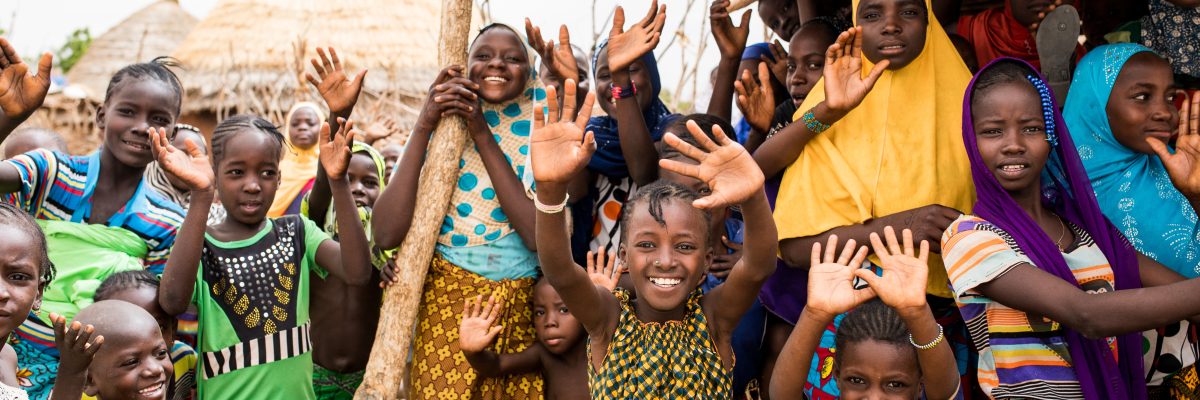
Guinea worm disease is poised to become the second human disease in history to be eradicated, following smallpox, and the first conquered without the use of vaccines or medicine.
Introduction
What is Guinea Worm?
For nearly 40 years, we have led the international campaign to eradicate Guinea worm disease, working closely with ministries of health and our partners.
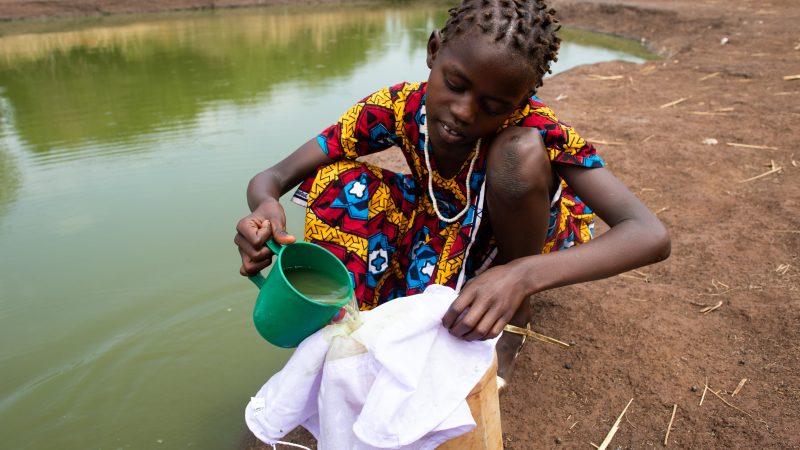
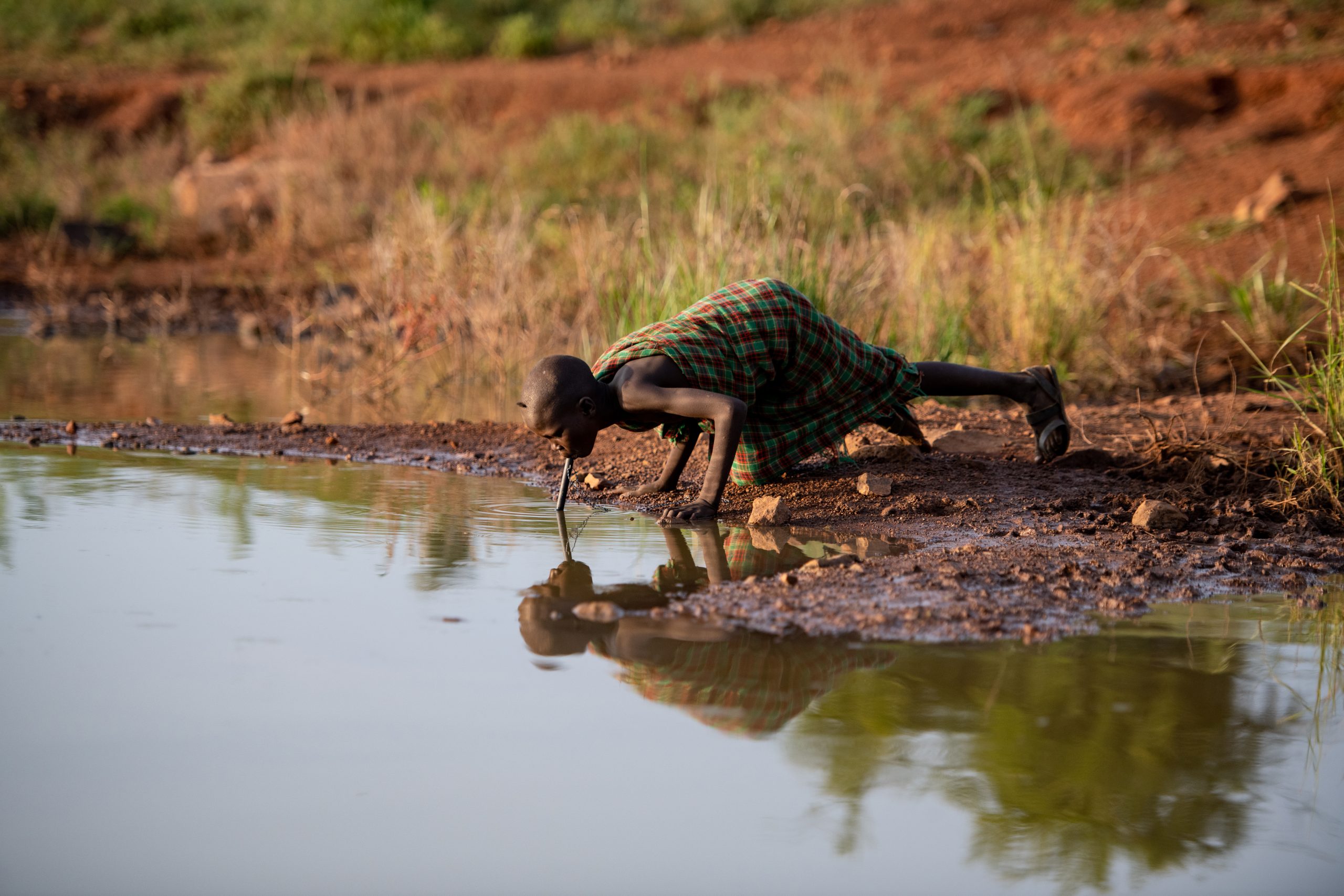
Guinea worm disease, or dracunculiasis, is contracted when people consume water from stagnant sources contaminated with Guinea worm larvae.
The parasite’s incubation period is long. That means anyone affected is not aware until about a year after infection, when the adult female Guinea worm – measuring up to 3 feet long – creates a painful blister, often on the leg or foot, and slowly emerges over the course of weeks.
The disease incapacitates people for extended periods. Secondary infections, often caused by traditional efforts to pull the Guinea worm out, compound the suffering and prolong the time of disability.
There is no medicine to treat or vaccine to prevent Guinea worm disease. But the eradication program’s success proves that through strong partnerships, effective education to change behavior, and community-based interventions, we can stop this devastating disease.
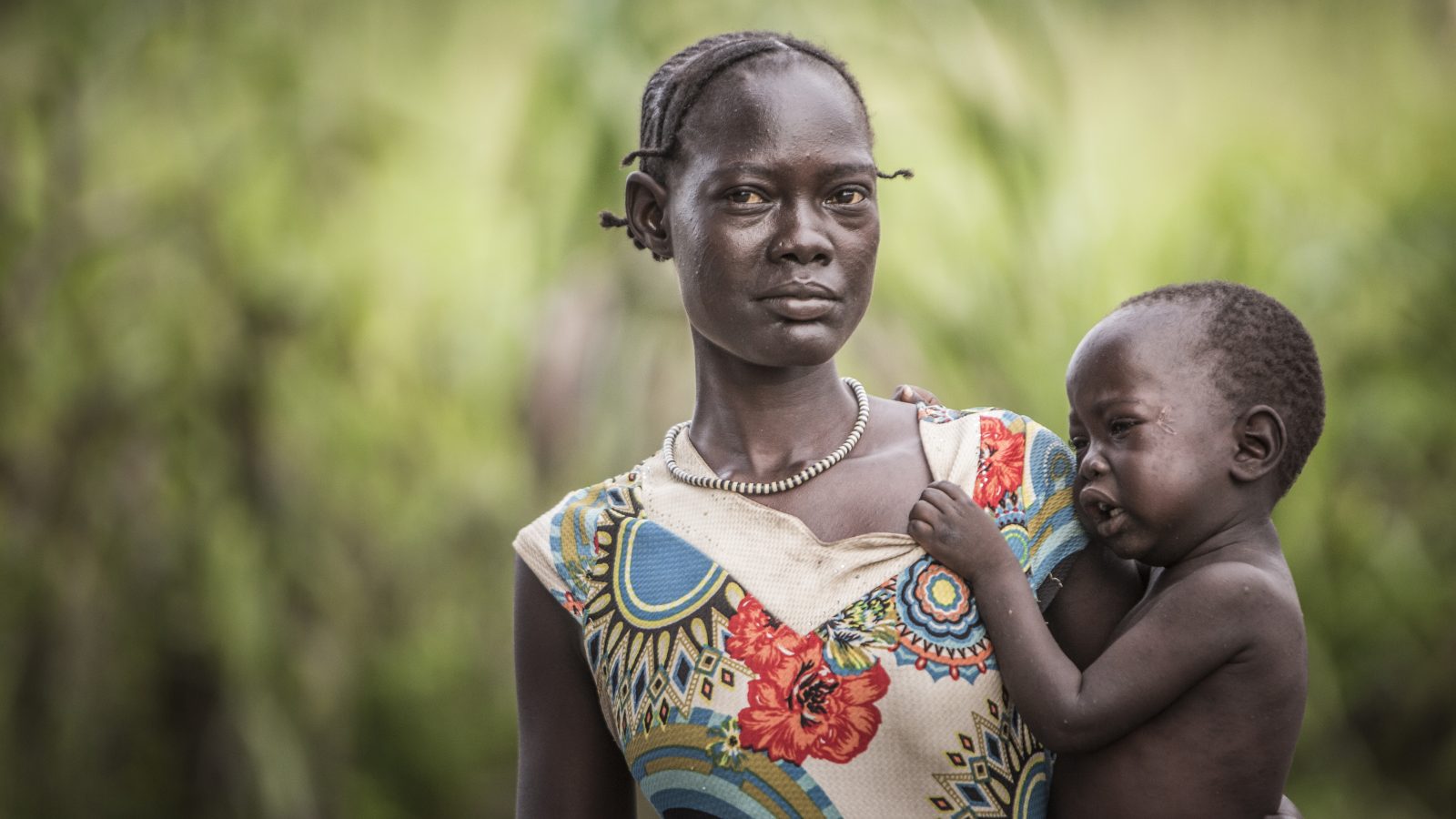
“Guinea worm is worse than a knife. The cut of a knife hurts for an instant, but the pain of Guinea worm lasts all day and all night.”
Natiwi, who lives in southeastern South Sudan, got the disease by drinking contaminated water.
Guinea worm sufferers may seek relief from the burning sensation caused by the emerging worm by immersing their limbs in water, but this can stimulate the release of larvae from the worm, contaminating the water and beginning the cycle of infection all over again.
Our campaign has helped create health systems in thousands of villages, where education and interventions prevent Guinea worm and other diseases.
Change Begins with Community
A Massive Undertaking
When our work began in 1986, Guinea worm disease afflicted an estimated 3.5 million people every year in 21 countries in Africa and Asia. Today, thanks to the commitment of The Carter Center and our partners, including the governments of affected countries, Guinea worm disease incidence has been reduced by more than 99.99% — to 10* human cases in 2025.
Our sights are trained on eliminating Guinea worm in six African countries: Angola, Cameroon, Chad, Ethiopia, Mali, and South Sudan.
The eradication campaign’s ultimate success relies on the dedication and attention to detail required of all field supervisors and thousands of community volunteers.

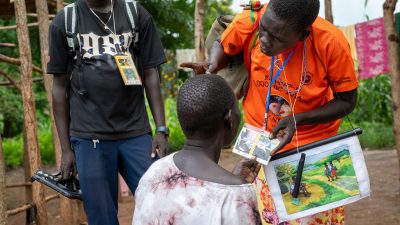
Eradicating Guinea worm disease requires education, teamwork, and advocacy. Community partners and local health ministries help promote behavioral changes by teaching people to filter all drinking water and keep infected people and animals away from water sources.
After 37 Years, Guinea Worm Warrior Retires

After 37 Years, Guinea Worm Warrior Retires
Watch the video
Confronting Challenges
Animal Infections
In 2012, Guinea worm was first detected in animals — primarily domesticated dogs in Chad, often because they were eating fish that contained Guinea worm larvae.
Trained volunteers now encourage proper burial of fish waste and offer incentives to people who report infected animals and keep them away from water sources. Scientists are also testing veterinary medications as potential deworming treatments.
Insecurity
Internal conflict in an affected country makes some areas inaccessible. That’s a problem because confirmation of Guinea worm elimination depends on consistent surveillance.
Brink of Eradication
A volunteer in Ethiopia prepares to apply ABATE, a safe larvicide, to a local pond to help interrupt the Guinea worm life cycle.
10
Since our efforts began in 1986, the incidence of Guinea worm has fallen by more than 99.99% to 10 human cases in 2025.
By the Numbers
Our strategy is to work with ministries of health to stop the spread of Guinea worm disease by providing health education and helping to maintain political will.
10
Number of human cases reported worldwide between Jan. 1 – Dec. 31, 2025.
6
Number of countries where we fight this disease: Angola, Cameroon, Chad, Ethiopia, Mali, and South Sudan.
100M
Our work has averted more than 100 million cases of the disease among the world’s most marginalized and neglected people.
Local Heroes Lead
Grounded in evidence, aimed at impact.
Explore the ideas shaping our work.

Call for New Solutions
We are seeking pre-proposals for the development of innovative tools and research that help stop disease transmission.
Related News



Global Impact Starts with You
Your support sustains the Carter Center's mission of waging peace, fighting disease, and building hope around the world.