Respect Bridges Differences During Protest
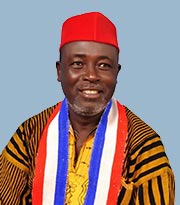
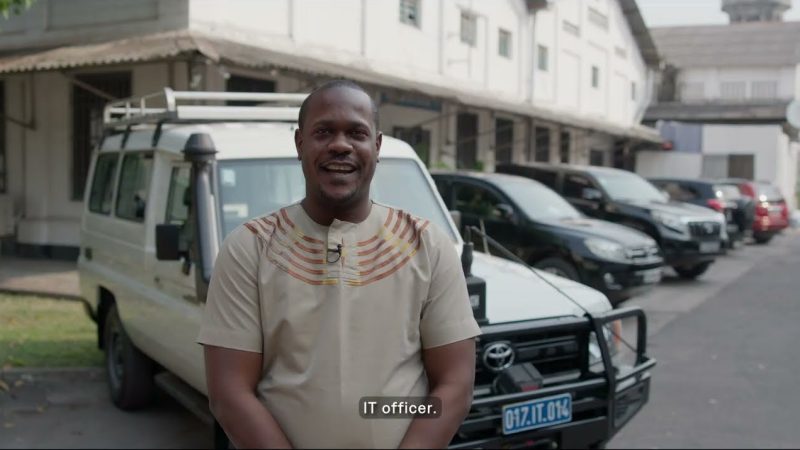
Johnny Ndebe is a national dispute resolution monitor for The Carter Center in Liberia.
Last year, I was notified that a crowd of protesters had blockaded a bridge a few hours from Monrovia, Liberia, where I work as the national dispute monitor with The Carter Center.
The demonstrators were upset that the person elected to represent them in the national legislature had not been seated a year after the election because of legal proceedings. They were blocking a key bridge to bring attention to their complaint, blocking traffic for miles in each direction.
I drove the four hours from Monrovia to the scene of the protest, where police appeared to be preparing for a violent confrontation with the demonstrators.
While on the way, I had called few traditional stakeholders from the region who I know, who have been benefiting from Carter Center training and other activities, and they informed the protesters that I was coming there to engage with them. When I got there, they recognized me, and they had confidence that I was there to listen to them and get this situation resolved.
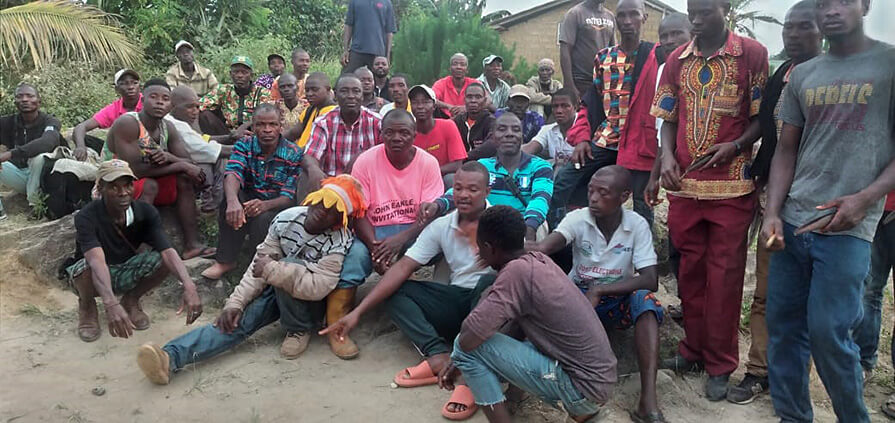
I spent three nights on the bridge with the protesters, listening to their demands and gaining their trust. I carried their concerns to the police commander, relaying the message that they intended for it to remain a peaceful demonstration. I then escorted the commander to a meeting with the protest leaders.
The protesters then shared their food with tired and hungry police officers. The bridge was open before I left and has remained open.
I have been working with traditional leaders across Liberia over many years, helping them to understand the rule of law system and how to resolve community disputes.
If I hadn’t been able to understand their system, I might have aggravated the situation.
We can build on this success to increase our relationship and our work in building peace and understanding in Liberia.
More Stories
Global Impact Starts with You
Your support sustains the Carter Center's mission of waging peace, fighting disease, and building hope around the world.