Guyana Rises: An Election Takes Place at a Pivotal Time
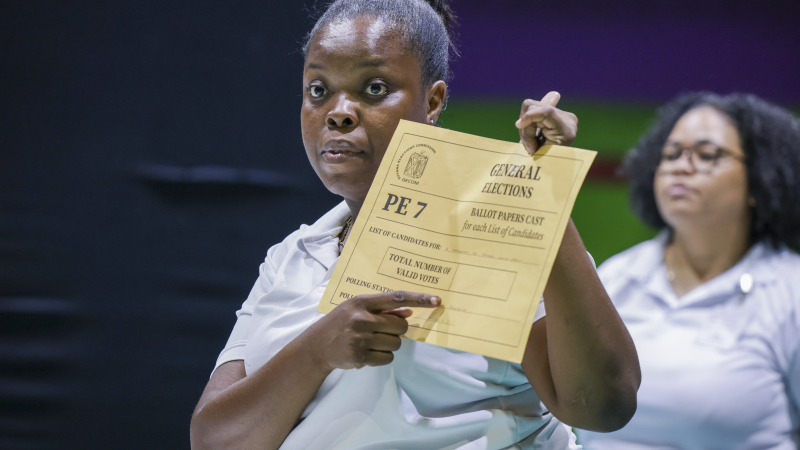
During Guyana’s September election, an official shows observers each step of vote tabulation.
Carlene Gill-Kerr walked through a city park, reflecting on her voting plan and urging others to do the same. The next day, the Guyanese poet would cast a ballot with hopes for a fair process and results that would serve everyone well — not just those who look like her.
“Go out there and choose,” she said. “Guyana is at a point where we can go left or right.… I really want to see Guyana rise.”
She wasn’t alone in wanting a peaceful and democratic process.
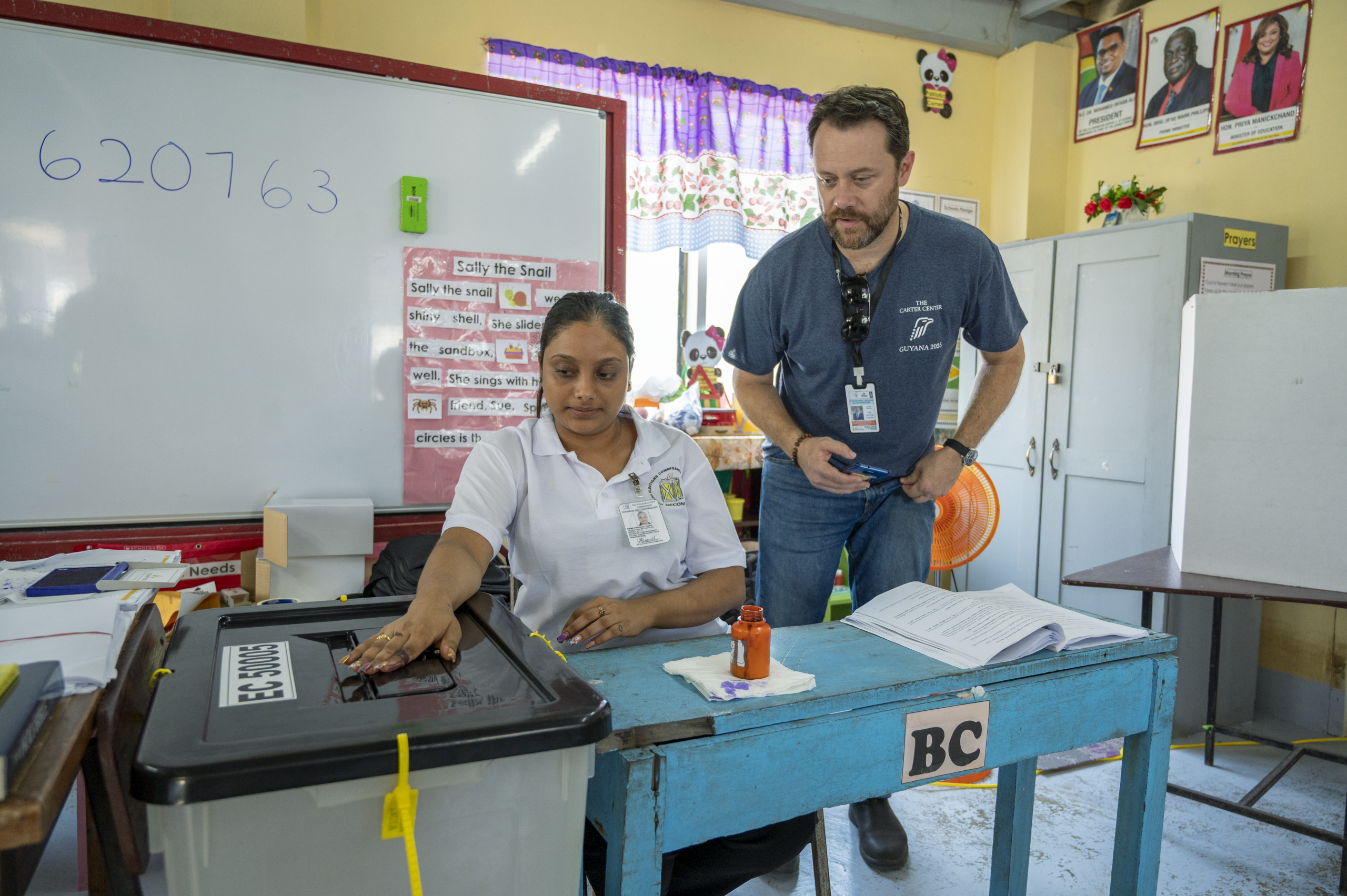
The Carter Center dispatched a team of nearly 50 international observers to monitor the Sept. 1 election in the multiethnic — and often ethnically divided — country. They came from places as diverse as Mali, Sri Lanka, and Colombia before deploying by car, airplane, and boat to more than 230 polling stations, even in the most remote areas of Guyana.
“Observers play a critical role in measuring electoral credibility, acting as the eyes and ears around key parts of the process. They report on preelection conditions and also assess the quality of election day processes at polling stations and tabulation centers,” said David Carroll, director of the Center’s Democracy Program. “The work of individual observers is critical to the Carter Center’s mission.”
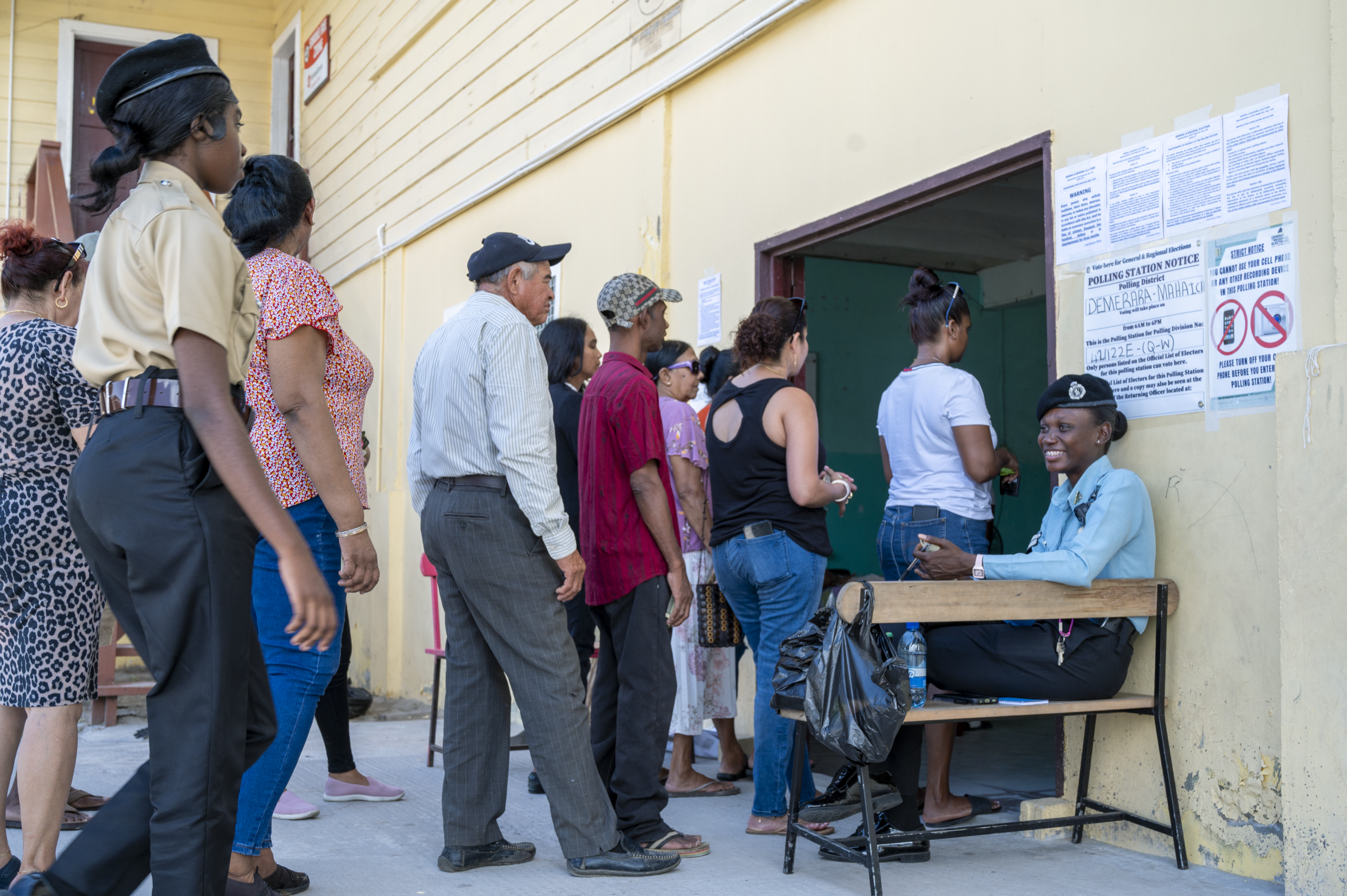
Elections in Guyana have been marked by tension, and this one came at a pivotal time in the country’s history. The South American nation has experienced newfound wealth, development, and global attention since the discovery of offshore oil in 2015. It’s also seen amplified territorial claims and aggression from Venezuela over their shared border. The last election, in 2020, was marked by an alleged attempt to undermine tabulation of votes, which took more than five months to resolve. The stakes this time felt especially high for voters, observers, and democracy alike.
“Elections are a steppingstone toward democratization,” said Sasha Pajevic, of Montenegro, an election observer who’s also joined the Center for missions in Libya, Nepal, Liberia, and Sierra Leone. “Voters trust the transparency and validity of elections more when international organizations are present.”
The 2025 election was the Center’s sixth in Guyana, the first being in 1992. And while concerns remain about campaign finance rules, state media bias, and mishandling of state resources for campaigning, the election itself was the smoothest yet.
The incumbent party won, with President Mohamed Irfaan Ali securing reelection. A new opposition party — established just three months before the election and headed by a young U.S.-sanctioned businessman — emerged in second place, a development that may change the landscape moving forward.
The Center has made, and will continue to make, recommendations for how Guyana can improve future elections to ensure every voice is heard.
“This democracy in Guyana is hard won and, therefore, more valuable,” said Jason Carter, President Carter’s grandson, chair of the Center’s board of trustees, and leader of the 2025 Guyana mission. “Guyana has a real opportunity to be a world leader and an example for the world of a vibrant democracy that is built on freedom and that is based on equal and wide access to political power.”
And poet Gill-Kerr, determined to see her country rise, would like to see that Guyana on the horizon, too.
Reflections From Election Observers
The nearly 50 Carter Center observers who traveled to Guyana for the 2025 election came from 21 countries and included first-time international observers and decades-long veterans. Hear perspectives from four below.
Fadoua El Ouni, Tunisia
The Tunisian revolution of the early 2010s proved an awakening for Fadoua El Ouni. She began helping others navigate the country’s new democratic electoral process.
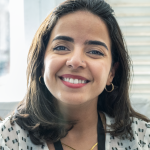
“That started the journey that led me here,” said El Ouni, who’s been steeped in Tunisian elections ever since, worked for three years as a Tunisia program officer for The Carter Center, and served on the core team for the Center’s 2022 Tunisian election mission.
Guyana 2025 was her first observation mission outside her home country.
“No matter where you go,” she said, “there are bits and pieces that are similar.… It’s nice to see the similarities between nations, even thousands of miles apart.”
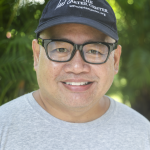
Paolo Maligaya, Philippines
Paolo Maligaya mainly focuses on elections in the Philippines, but he’s no stranger to international missions, where he often reunites with old friends. His first experience with the Center was as a long-term observer in Indonesia in 2004.
“We stand to learn a lot of things from the experiences of other countries, and it’s very fulfilling,” he said.

Aleksandra “Sasha” Pajevic, Montenegro
“People don’t trust each other in my country or in any country in transition. They are very suspicious of everything.… International organizations and observations help because people trust more someone from abroad. They trust the elections more, which is important because we all want our voices heard.”

Jon Johnson, United States
“I really like seeing the way things operate in other places and then comparing that to what we do in the United States. There are a lot of similarities, on a lower-tech basis, but it’s basically the same process of trying to get everybody a fair vote in every election. That is the goal.”
More Stories
Global Impact Starts with You
Your support sustains the Carter Center's mission of waging peace, fighting disease, and building hope around the world.