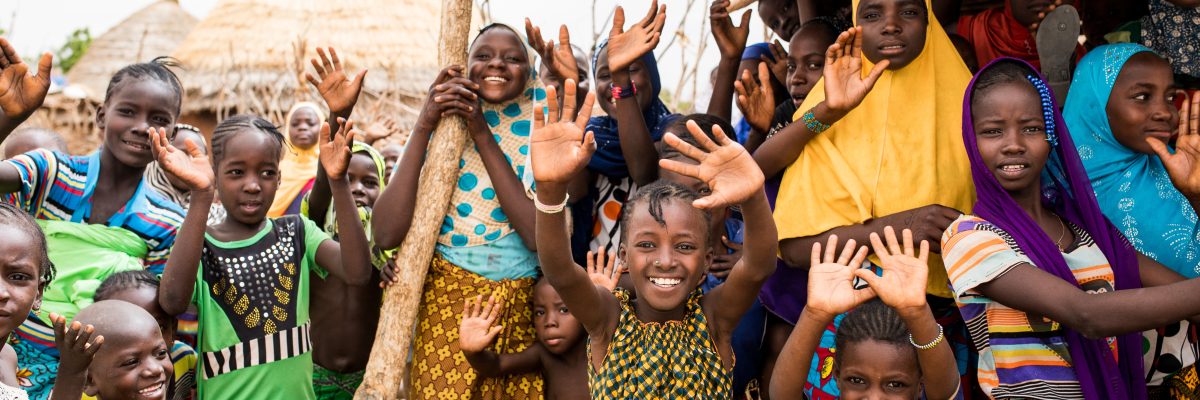
World NTD Day: Together, We’re Ending Neglected Tropical Diseases


Partnerships and Funding Support
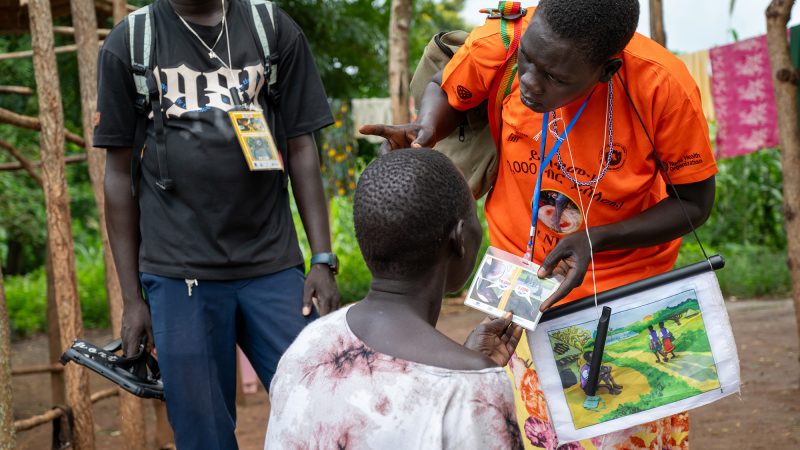
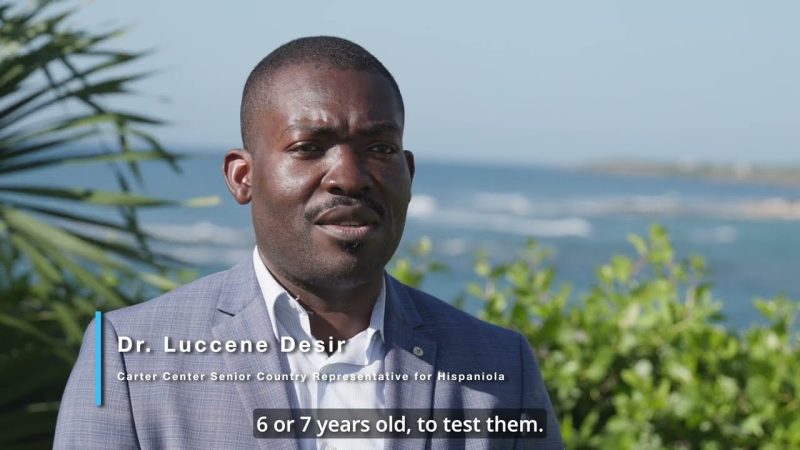
The Carter Center is grateful for many donors who support our mission to end NTD’s together. Generous in-kind donations from many corporate partners sustain our work, including Pfizer, Inc., Merck & Co., Inc., GSK, Merck KGaA, BASF Agriculture Solutions and Lifestraw®, among many others. Financial support for our work has been provided by the Gates Foundation, the Mohamed Bin Zayed Foundation for Humanity, the Lions Clubs International Foundation, The Conrad N. Hilton Foundation, the United Kingdom’s Foreign, Commonwealth & Development Office, and many other donors.
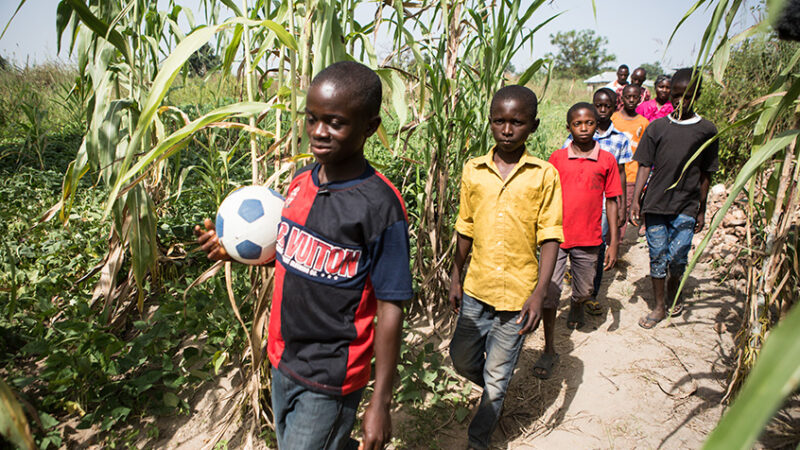
Many generous foundations, corporations, governments, and individuals have made the work to eradicate Guinea worm disease possible, including funding support from the Gates Foundation; the United Kingdom’s Foreign, Commonwealth & Development Office; the government of Japan; Schreiber Philanthropy; and Alwaleed Philanthropies. Funding support from the United Arab Emirates began with His Highness Sheikh Zayed bin Sultan Al Nahyan, founder of the UAE, continued under His Highness the late Sheikh Khalifa bin Zayed Al Nahyan, and has grown under His Highness Sheikh Mohamed bin Zayed Al Nahyan, president of the UAE, through the Mohamed Bin Zayed Foundation for Humanity. BASF Agricultural Solutions donated ABATE® larvicide (temephos) since 1990, and LifeStraw® donated personal pipe filters and household cloth filters since 1999. The DuPont Corporation and Precision Fabrics Group donated nylon filter cloth early in the campaign.
Global Impact Starts with You
Your support sustains the Carter Center's mission of waging peace, fighting disease, and building hope around the world.