Côte d’Ivoire

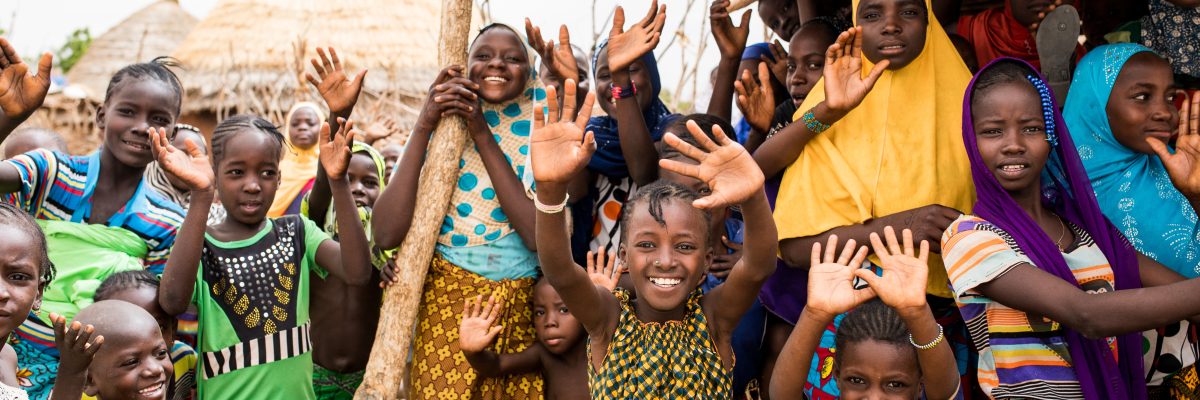
The Carter Center helped improve lives in Côte d’Ivoire by working with ministries of health to eradicate disease and promoting democracy through free and fair elections.

Impact

  • Monitored first truly open presidential election and subsequent elections
  • Successfully worked to end Guinea worm disease in the country
Legacy

Democracy

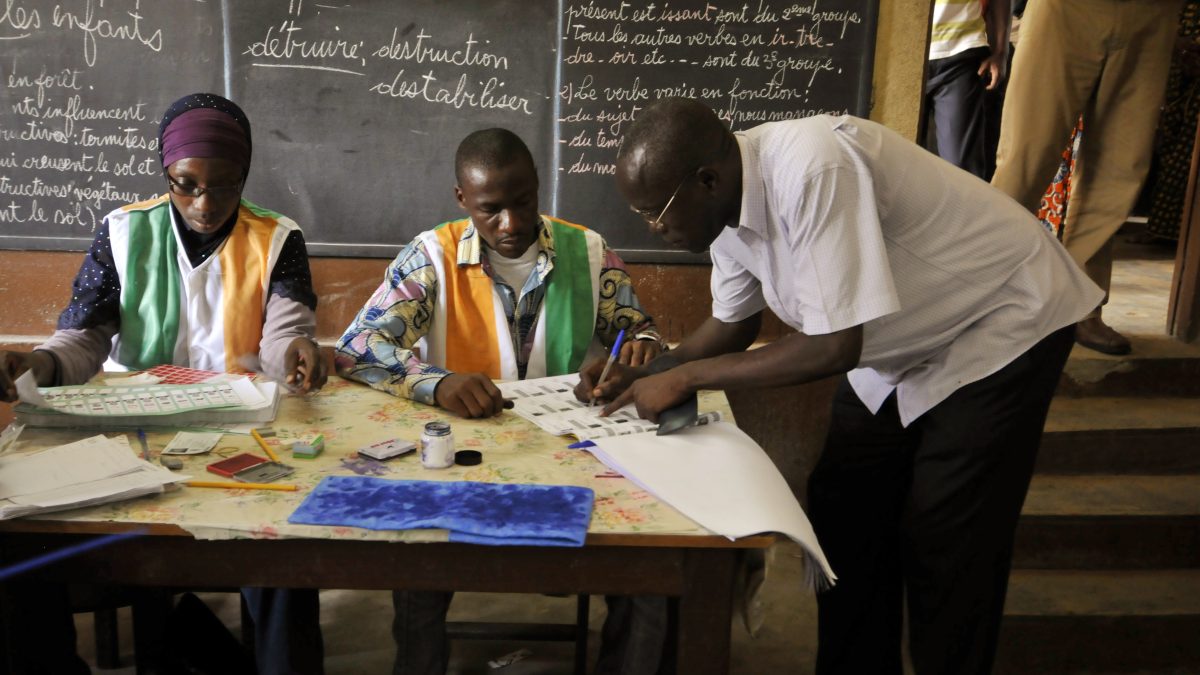
In response to years of civil war and turbulence in Côte d’Ivoire, The Carter Center supported political transitions and the restoration of peace through election monitoring.

Long-delayed elections were a key element in resolving the political crisis that had kept Côte d’Ivoire divided since 2002. Free, open, transparent, and democratic elections were a central component of the 2007 Ouagadougou Political Agreement, established between Côte d’Ivoire’s government and rebels who controlled the country’s north.

Our Work and Methods:

The Carter Center observed presidential elections in 2010 and 2020, and parliamentary elections in 2011 and 2021. 

Our focus included:

  • Watching political developments
  • Deploying observers
  • Measuring the integrity of results
  • Encouraging electoral reforms
  • Reviewing complaints and irregularities
  • Monitoring turbulence and transitions
  • Expressing concerns about restrictions
  • Condemning violence and threats to democratic advances
  • Urging dialogue to address political and electoral differences

Impacts

As Côte d’Ivoire approached its first truly open presidential contest in 2010, a critical step in the country’s peace process, the Center got involved in monitoring that election and subsequent elections protect constitutional order and solidify peace.

More information about all of these elections is available in our publications section

Legacy

Guinea Worm

Current status: Transmission stopped, September 2006
Certification of dracunculiasis elimination: 2013

How it Started:

Côte d’Ivoire joined the Guinea Worm Eradication Program in 1995, with more than 3,000 cases on record in 252 Ivorian villages. 

Center-supported Guinea worm elimination efforts largely focused on education and preventative measures in local communities. Our approaches included:

  • Health education
  • Distribution of nylon filters to remove copepods hosting worm larvae
  • Safe monthly treatment of stagnant water sources with ABATE® larvicide, donated by BASF Corp.
  • Advocacy with water organizations
  • Efforts to build safer hand-dug wells
  • Monthly surveillance and interventions by village volunteers we trained, supplied, and supervised

Impacts

In September 2006, Côte d’Ivoire reported its last indigenous case of the disease. The country announced that it stopped Guinea worm transmission in 2007, and the World Health Organization certified its elimination of the disease in 2013.

Related Content

Read More
Read More
Read More