Facilities & Workplace
Intern Resource Room
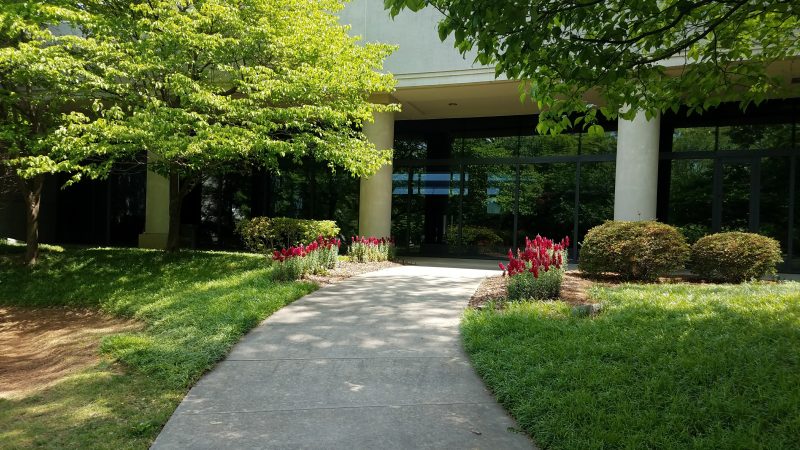
About the Facilities
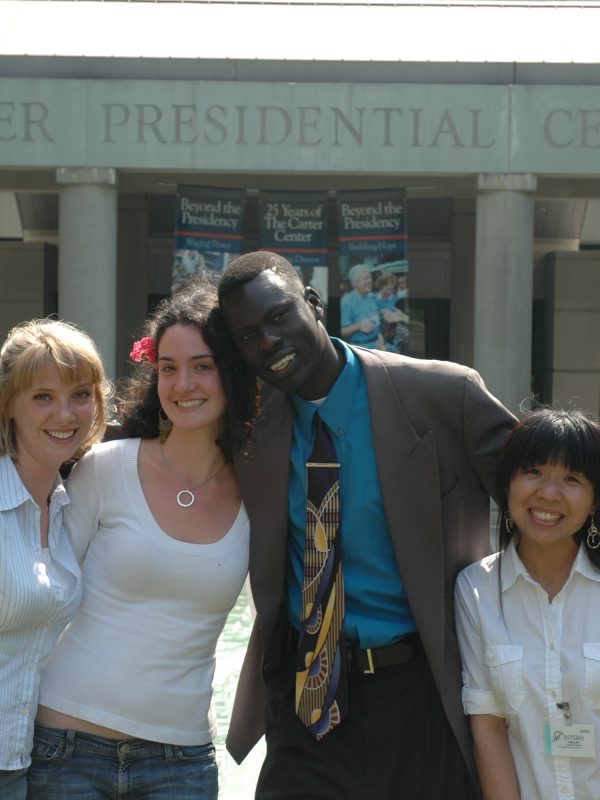
Take the elevator after you have walked through the Peace Programs Area. Go to level “LL.” and make a right to find the vending machines.
Bike racks and charging stations for electric vehicles are available for use at The Carter Center.
The Carter Center tries to help in the conservation efforts of the community. Therefore, we ask that you please do your part in helping us. We have large, labeled recycling bins located around the Center. They can be found in copy rooms as well as break rooms/kitchens. Please be respectful of the signage and sort your recyclables accordingly.
All new interns will be given free Carter Center email with Microsoft Office 365 accounts. The use of this system will be explained to you during orientation, and you will also find and informative kit in your Welcome package. You will get your login name and initial password at orientation. Please check your email messages everyday! We might be passing on information for that day, and we don’t want you to miss out on anything. Often times there are events at the Center you will want to know about, and sometimes staff has tickets for events or other information that be of interest to you. In addition, you will have access to an internal content management system called Sharepoint. This is the primary system used at the Carter Center to centralize, store, and share documents and information. You will also be given a password to access Sharepoint.
The Copenhill Café is a public restaurant that serves Center staff, volunteers and interns, as well as visitors to the museum. Make sure to wear your badge.
The ATM is located at the entrance of Copenhill Café.
An intern’s identification badge permits them (but not guests) to visit the museum free of charge. There is a permanent exhibit on the Carter Administration and other exhibits, which change periodically.
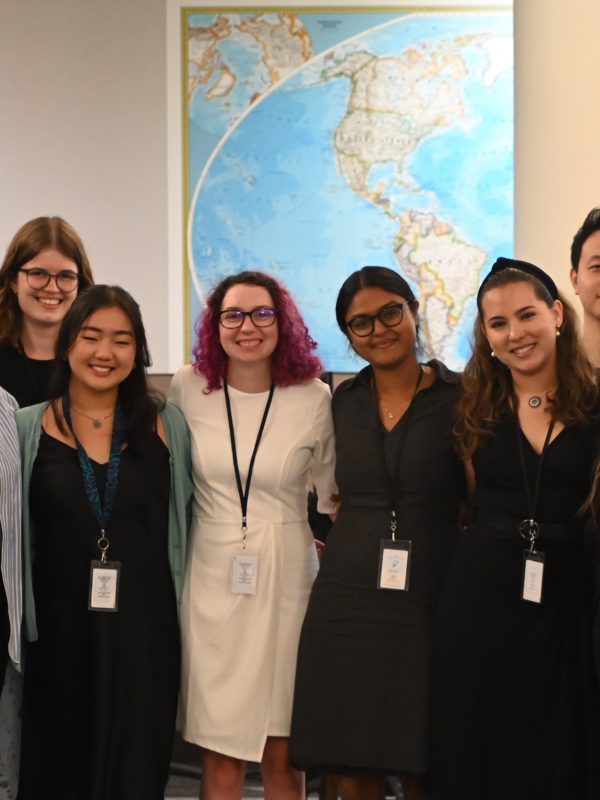
During their time here, interns will be given opportunities to participate in several Carter Center-run events and activities, including an intern retreat, various guest speakers, and, when permitting, a weekend trip to the Carters’ hometown of Plains, Georgia. These events are optional (though you won’t want to miss them!) and are intended to provide interns the chance to get to know one another, gain valuable insight and career advice from experts, and of course, to have some fun.
Intern Insider
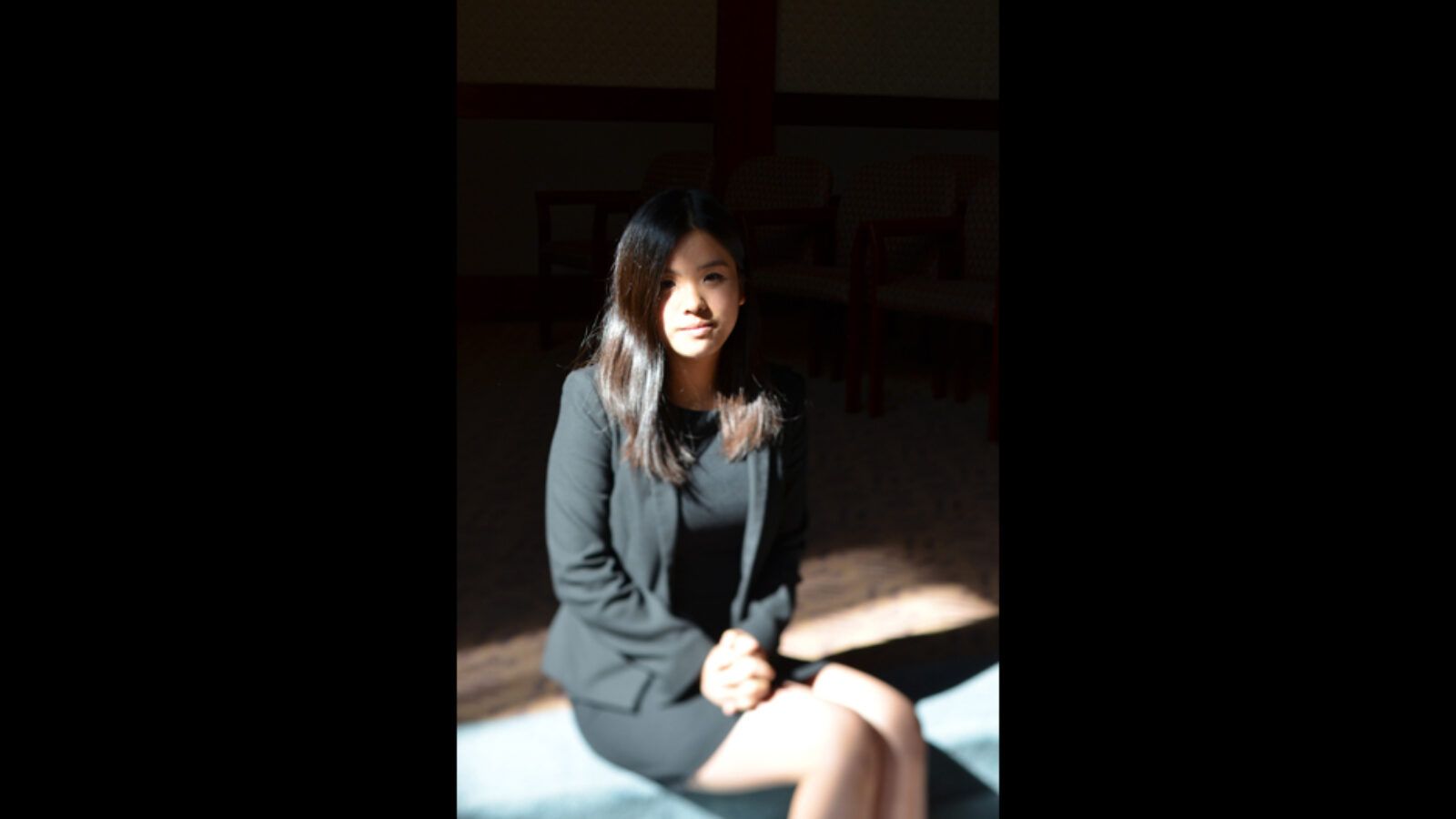
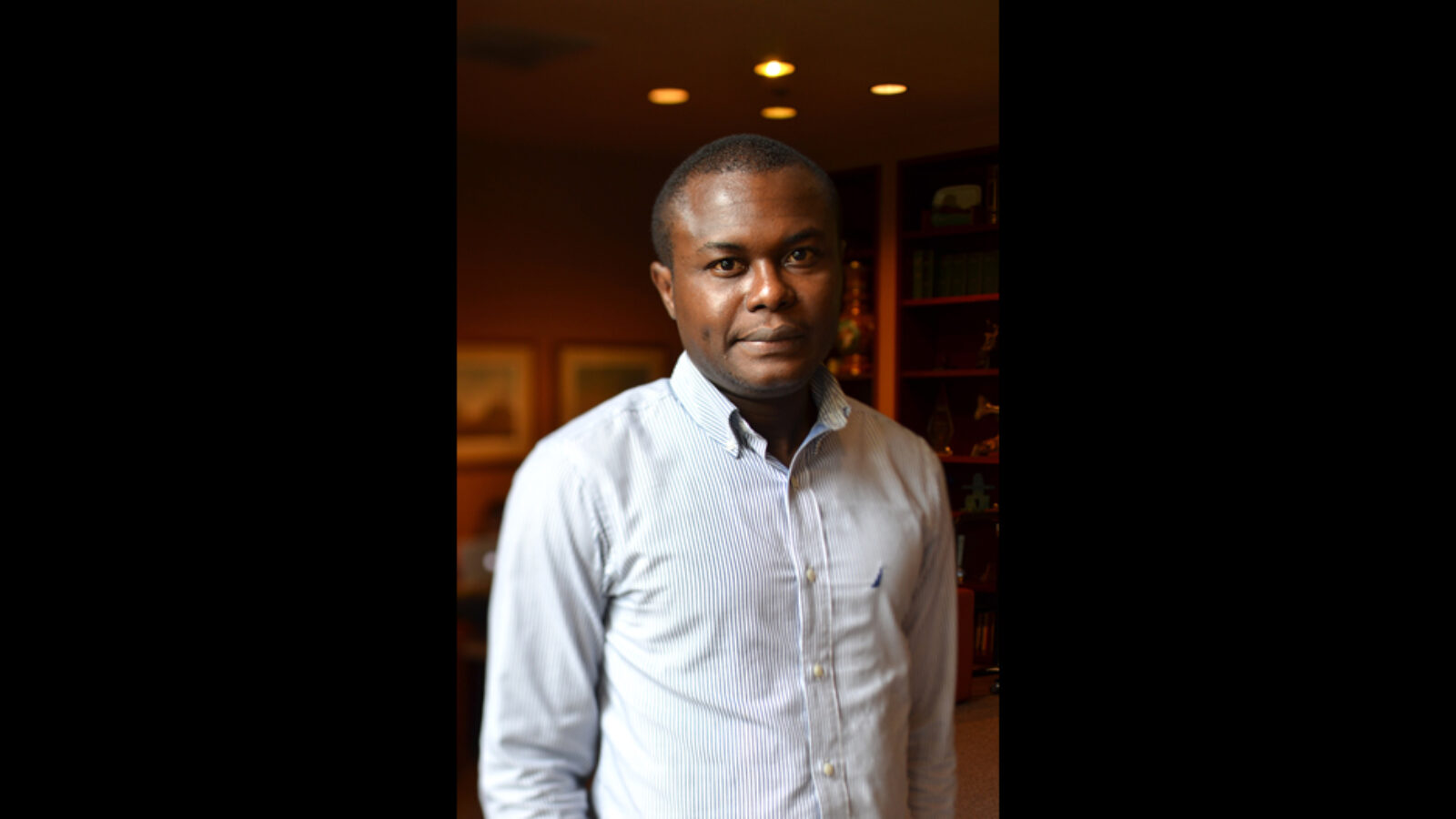
Have you ever wondered it’s like to be a Carter Center intern? Welcome to “Intern Insights,” a collection of photographs and quotes from Carter Center interns about what they learned during their experience here.
-
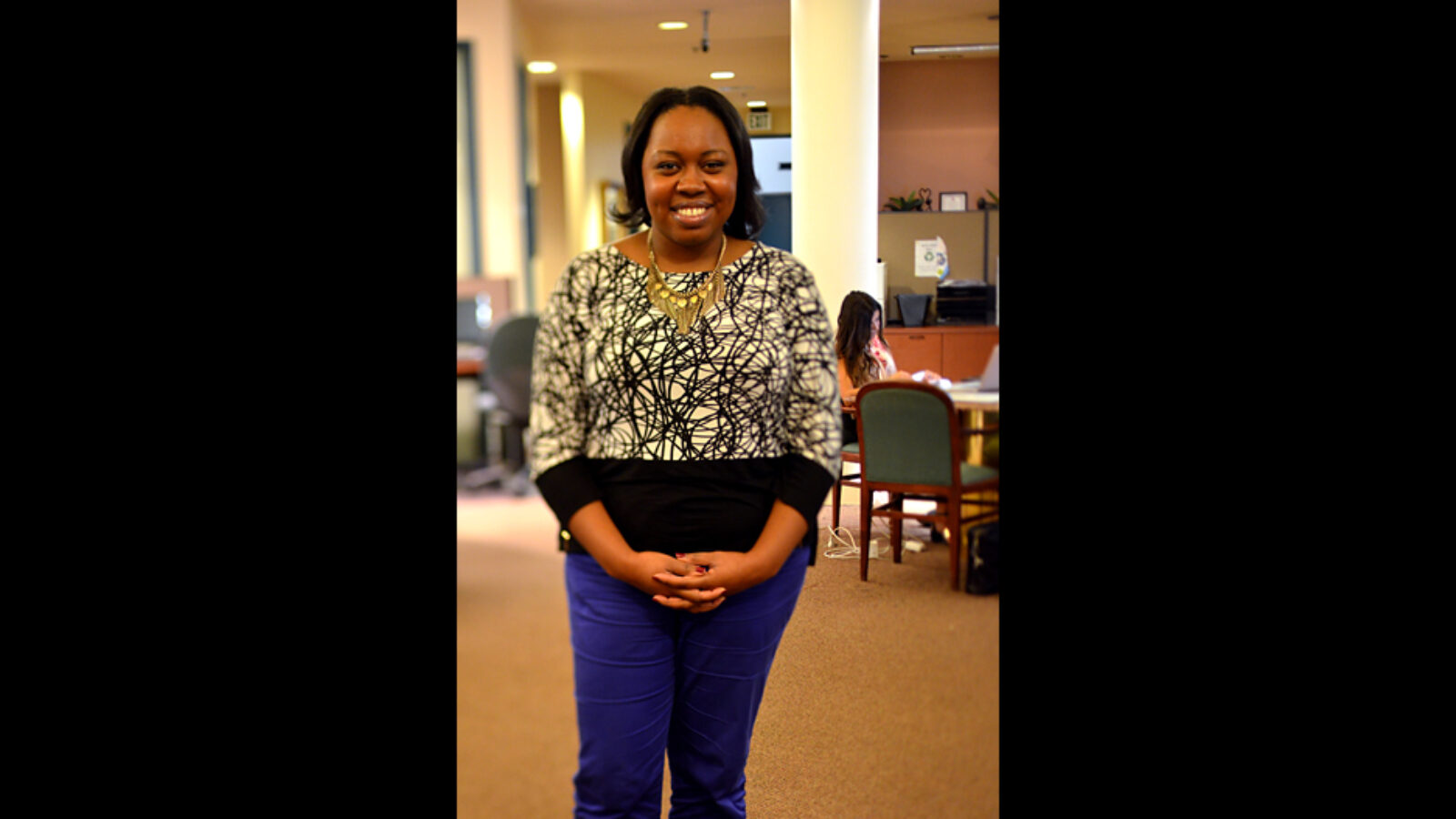
Camille Henderson, Human Rights Program: “On a personal note, the most rewarding thing has been my ability to bring my full self to this internship. I’d always wanted to work at the intersection of religion and the rights of women and girls, and I’d always had to choose. Now I wake up excited each day because I can bring my full self to work — both my religion and my commitment to human rights — and I know the people we’re working with, the people we’re helping, and the religious leaders we’re assisting.” (All photos: The Carter Center/H. Velcoff) -
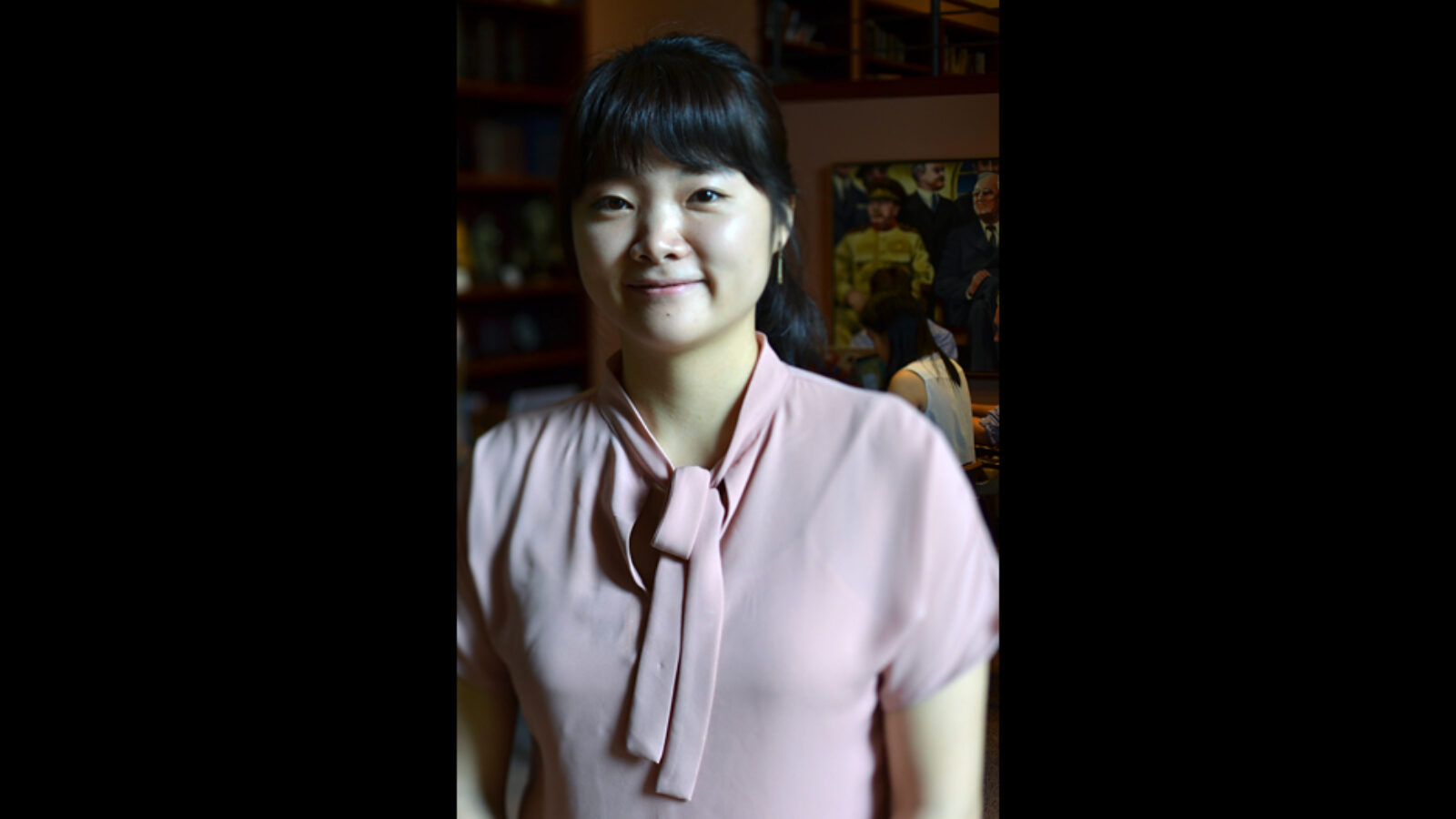
Heejun Yoo, Democracy Program: “It seems like it really depends on how much you want to learn, rather than what you’ve experienced before from college. This was my first internship in my entire life. Previously, I was spending my time doing volunteer stuff, teaching low-income kids in China or North Korean defectors, but I felt limited as an individual volunteer. That’s why I wanted to be involved in a big organization where I can make a fundamental impact on the world. In the Democracy Program, I really feel like I am involved in changing society, and that’s why I appreciate this experience.” -
Tim Liptrott, Conflict Resolution Program: “In conflict mapping and conflict resolution, we’re working on a project for a UN cease-fire task force right now which has challenged me to ask a lot of questions. When they get the data, how are they going to analyze it? Are they going to be able to analyze it in a way that brings parties of the conflict together or not? It’s a very academic endeavor.” -
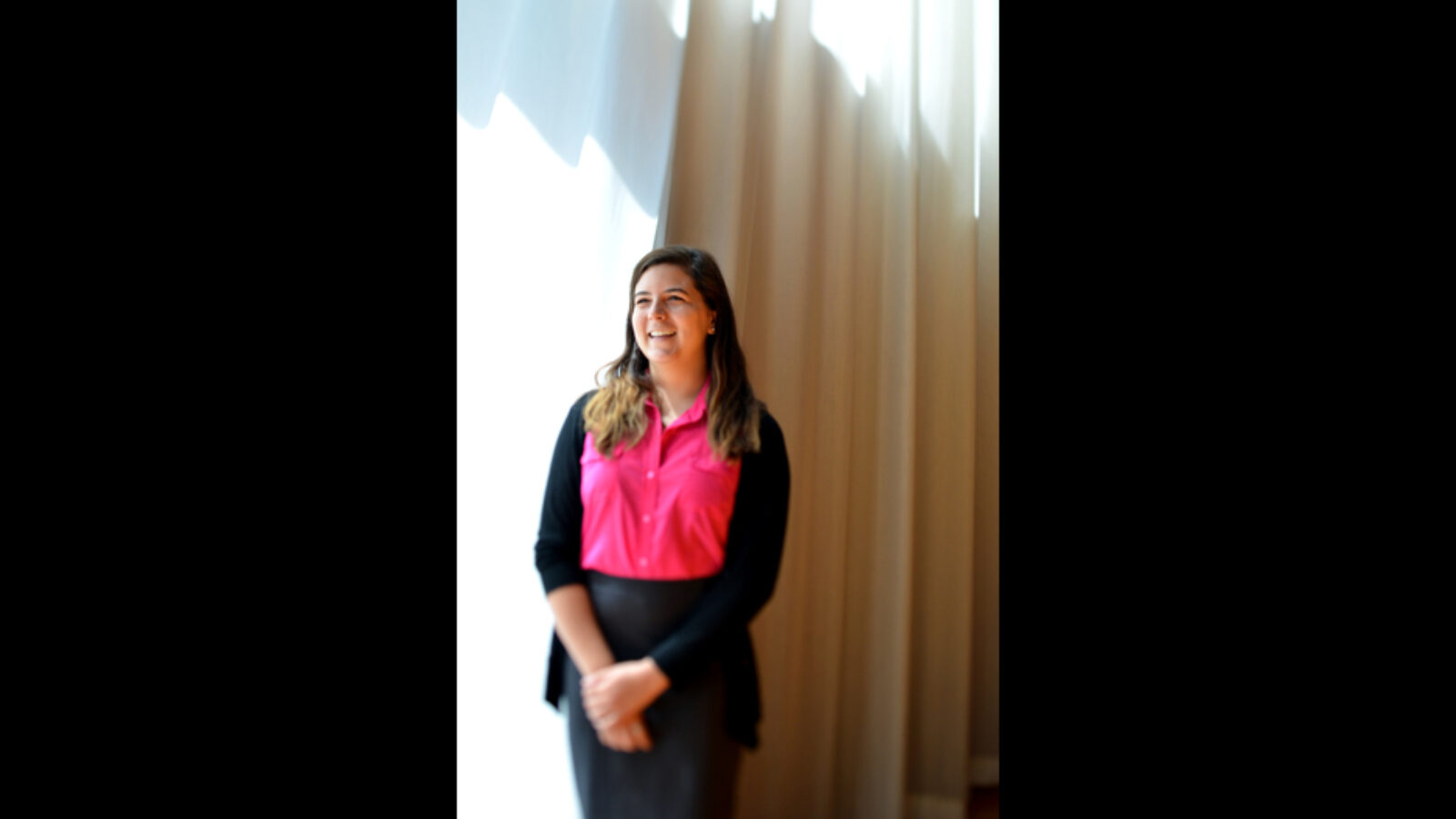
Jacqueline Mullen, Programs Development: “I’ve learned to be flexible and to, I would say, take time personally to learn and grow and to balance that growth with the tasks I’ve been given. Something else I’ve learned is to not only befriend your boss but other people’s bosses so you really get to experience the different sides of The Carter Center. Just throw yourself in and immerse yourself and learn all that you can and realize this can be a stepping stone for anything you want in your life.” -
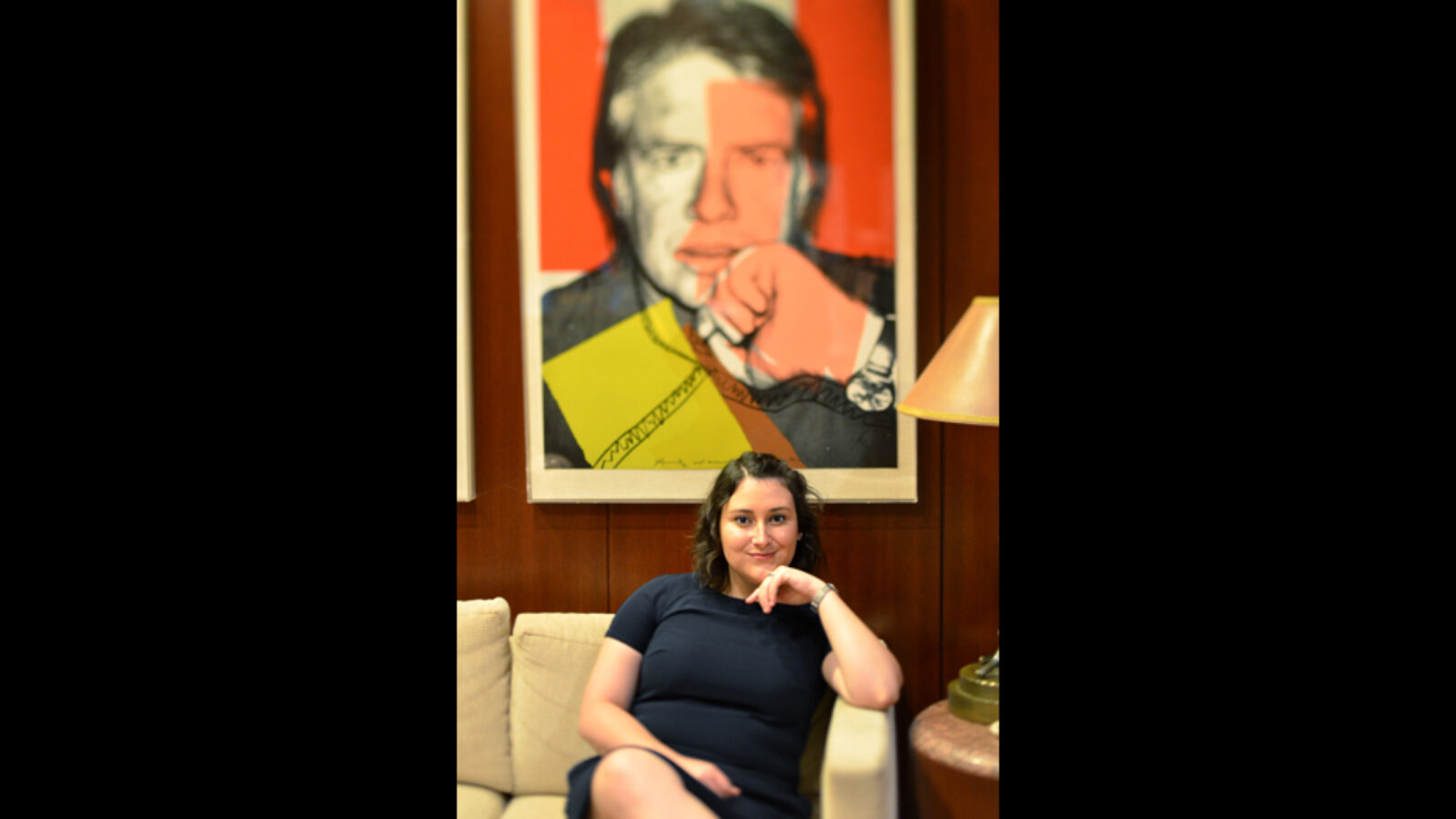
Carla Jones, Mental Health Program: “I would say the first thing I learned was how to talk about mental health issues and how simple words can stigmatize whole populations. It is important not to assume and say that someone is suffering from a mental illness because they may be living in recovery and in fact not suffering. For example, you wouldn’t say that everyone with some sort of illness is suffering because often they find ways to lead full lives with those challenges. The Rosalynn Carter Fellowships for Mental Health Journalism has taught me this very important lesson and to make sure to look at all sides of the issue and understand a person’s whole story.” -
Tracy Li, Programs Development: “I’ve learned that things move slowly. And I think it takes a lot of persistence. It takes a lot of patience, and it takes a good balance of optimism. You’ve got to be on your feet, and you’ve got to be really pushing for things to happen, not just hoping that someone’s going to be there to support you in the end. You’ve got to be a burst of energy, you know, that keeps you centered on the pulse.” -
Obehi Okojie, Democracy Program: “I have found people at The Carter Center to be very, very accessible, open, and very, very willing to share information and talk about things. So I would say to forthcoming interns to take advantage of that. That would be a very good way to abridge the time it would take you to get up to speed on what you’re supposed to be doing on a day-to-day basis, but also for the broader development of yourself as somebody who’s interested in international development. If you take advantage of these opportunities, I think you’ll be better for it.” -
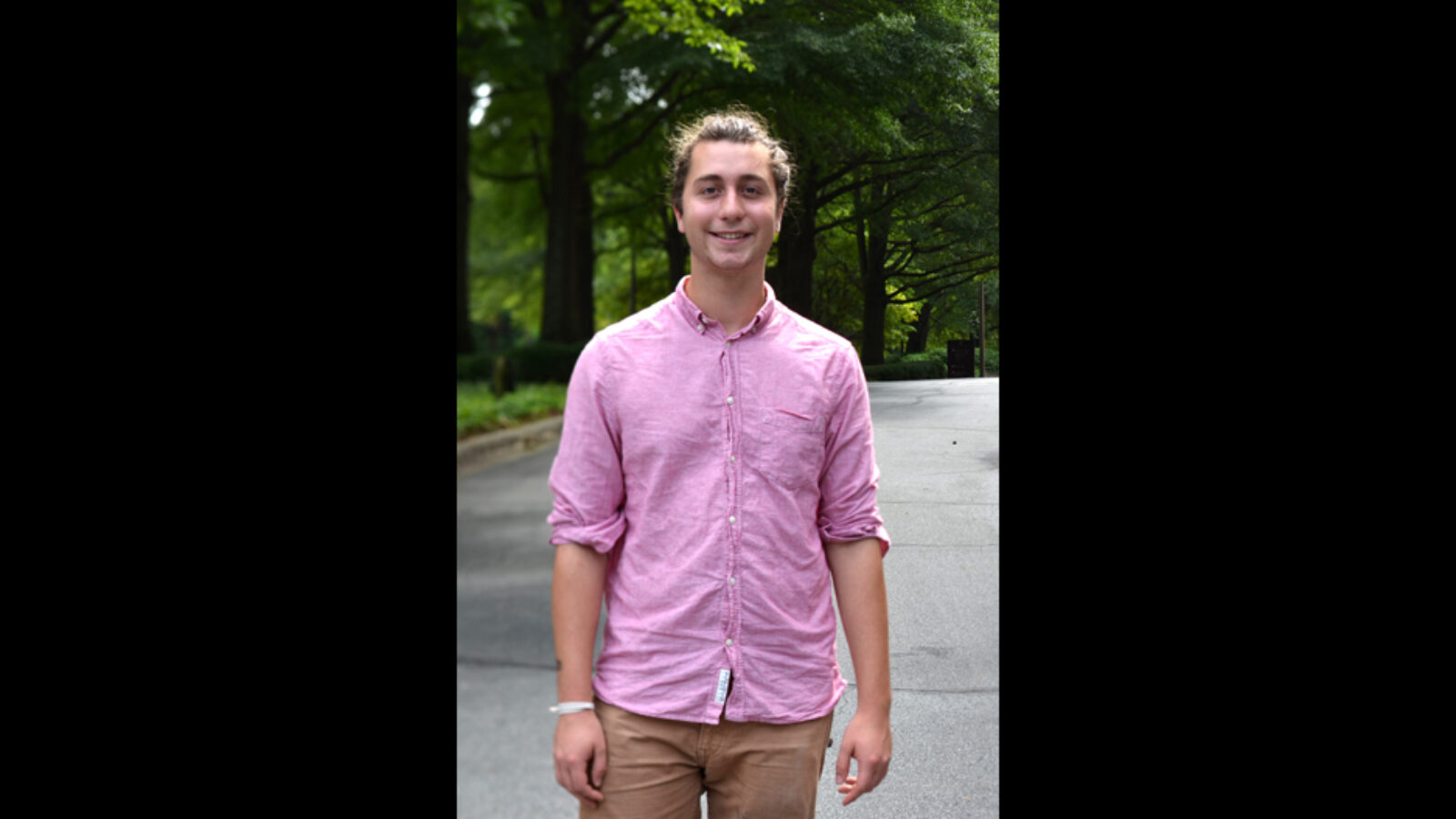
Davis DeRodes, IT Program: “I have a friend who since he was like, five, wanted to be a pilot. And there are some people who are like that, just like: ‘I want to be a pilot. Gonna be a pilot.’ And some people who’re here, they’re like: ‘Gonna be a diplomat. Gonna be in the Peace Corps.’ I’ve never been one of those people. I feel like each opportunity just clarifies what I want. There’s a quote I love about a stone maker, and he said, ‘I can hit the rock a hundred times without as much as a crack showing in it. Yet on the hundred-and-first blow, it will split in two, and I know it wasn’t the last blow that did it, but all that had gone before.’ So I know that with each internship, I’m clarifying something, and I think The Carter Center’s a great place to do that. I don’t know what it’ll all turn into, honestly. I just know that I’m getting closer.”
FAQs
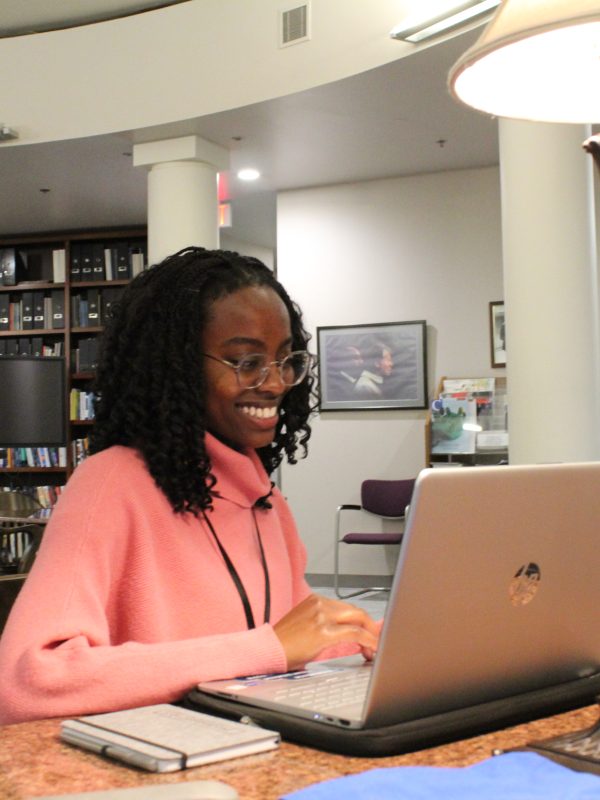
Internship and graduate assistantships require a commitment of 20 hours/week. The Carter Center is open for business between 9 a.m.–5 p.m. Staff work hours usually fall between the hours of 8:30 a.m.–5:30 p.m. Your individual work hours will be based on program activities and needs. Consideration is given for academic or other work commitments.
Dress at The Carter Center is business casual. Khakis/slacks and shirts/blouses are good examples of acceptable clothing items. On occassion, there will be situations where professional dress will be necessary. To the best of our ability, you will be notified of these occassions in advance. The Carter Center has a ‘Casual Friday’ policy. Jeans must be workplace presentable and must not be ripped/torn. Examples of unacceptable attire include: tank tops/spaghetti straps, midriff shirts, t-shirts, shorts, faded or ripped jeans, spandex, warm-up suits, sneakers, flip-flops, and hats. We count on you to make decisions that are appropriate for the situation.
The Carter Library and Museum cafe offers lunch at a discounted rate for Center staff and interns. Additionally, there are refrigerators and microwave ovens available in all areas of the Center for those who wish to bring lunch from home. Want to eat out? There are a variety of inexpensive restaurants nearby.
Yes. Parking is free, and there are plenty of spaces available.
Depending on program and project needs, some interns may have the opportunity to travel. Travel related expenses will be covered if you are invited to travel on behalf of The Carter Center.
Though there are some former interns currently in temporary staff positions, it is very rare that positions are offered following the internship. To the best of our ability, we will keep our alumni apprised of open positions. For current postings, refer to the careers listing page on Emory University’s website.
You may also want to refer to the intern or graduate assistant handbook.
Currently, internships and graduate assistantships at The Carter Center operate in a hybrid format (both in-person and virtual). If possible, in-person participation at the Atlanta office is preferred, although interns/GAs may work remotely if needed.
Workplace Protocol
- Set cell phones on silent and step out of the center of the Peace Pavilion to speak on cell phones, if possible.
- Clean up after yourself immediately! Do not abandon coffee cups, project materials, trash, etc.
- Keep your work area as well as other sitting areas neat.
- Be sure to return all Resource Room materials in a timely manner.
- Never send email to “Everyone” unless instructed to do so by your supervisor.
- Do not send inappropriate email via email (e.g., Anyone want to go to the Cheetah tonight?).
- All Carter Center work email should be sent via your Carter Center email account. Do no use your work email account for personal use. Always identity as a Carter Center intern with your email signature.
- You may check your personal email accounts (gmail, hotmail, yahoo, etc.) in your spare time, when it is appropriate. Use your discretion.
- Do not chat on instant messenger networks on Center computers.
- There are no assigned seats in the Peace Pavilion. Although you may sit at a particular workstation regularly, it is not yours to personalize.
- For IT issues, email service desk@cartercenter.org.
- Please make use of the refrigerator and all other kitchen appliances.
- CLEAN UP after yourself and wash the dishes you use.
- Remove all of your food from the refrigerator each Friday afternoon.
- If you have the last cup (or near to the last cup) of coffee, make another pot!
- All tea and coffee supplies are free for your consumption.
- Don’t eat it if it is not yours!
- Always wear your badges while on the premises.
- Your badge will only work on weekdays from 7:00 a.m. to 7:00 p.m. (you will need to go to the main executive offices entrance at all other times).
- Do not allow anyone without a badge to follow you in via the staff entrances. Direct non-staff to the main executive offices entrance.
- Do not eat off any buffets unless you are officially attending the event.
- For some special events, you may receive an invitation via email to sit in on the event. If the event is in the Chapel, be sure to sit in the Balcony.
- Follow dress code guidelines. See handbook (PDF) for details & always ask if in doubt!
- Set your weekly hours/schedule both virtual and in-person with your supervisor.
- Always communicate with your supervisor regarding your schedule needs (time off, temporary/permanent adjustment, intern events, etc.). Never assume your supervisor knows your schedule or the intern program schedule/calendar.
- If you are going to be late, email your supervisor.
- If you are sick, please do not come into the office but be sure to email your supervisor.
- Have a doctor appointment? Email your supervisor to give them a heads-up.
Global Impact Starts with You
Your support sustains the Carter Center's mission of waging peace, fighting disease, and building hope around the world.