Redoubling Efforts to Reach Zero
-

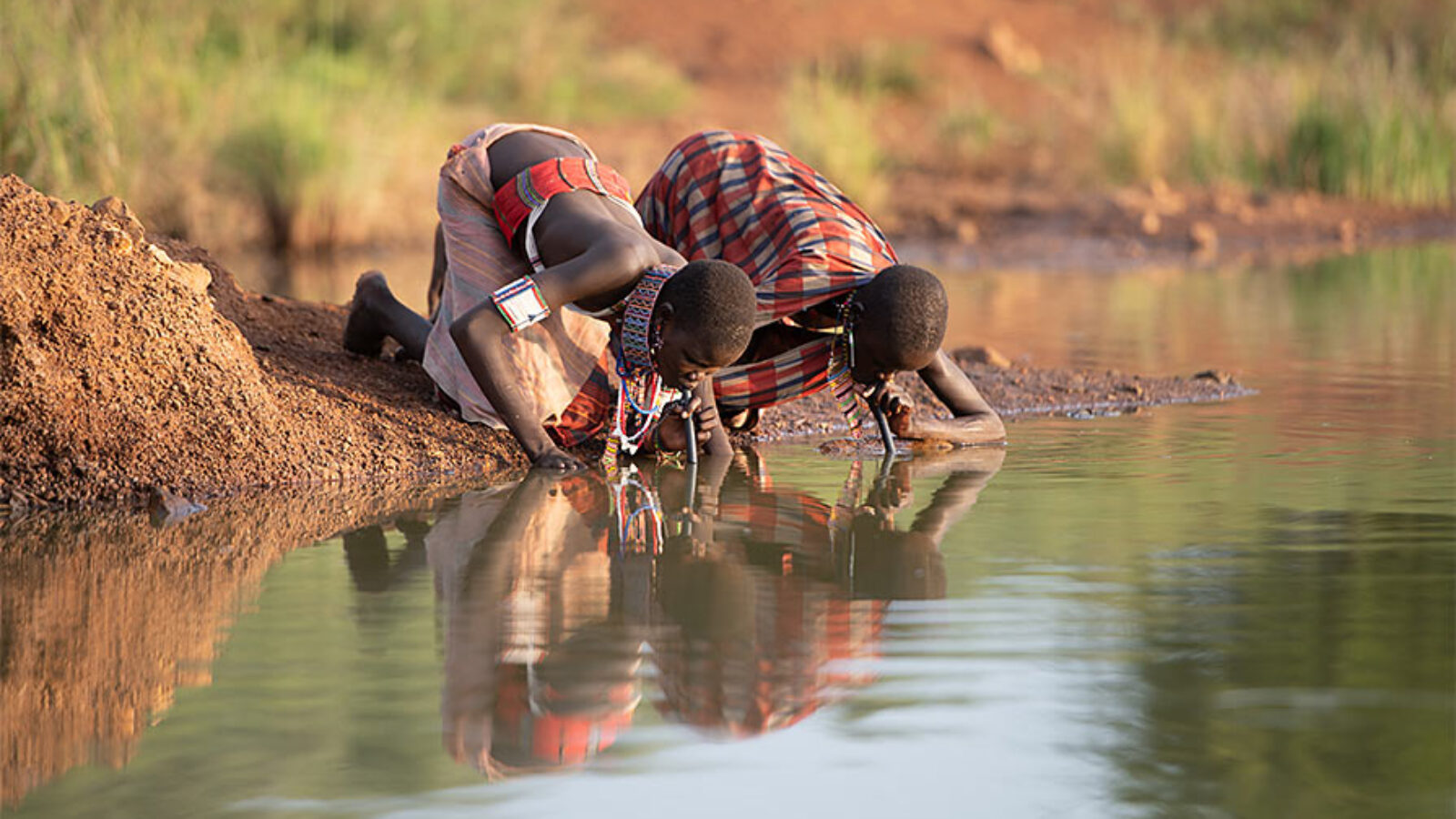
Small pipe filters that are carried on a string around the neck allow people to drink water without ingesting copepods that carry Guinea worm. (All photos: The Carter Center) -
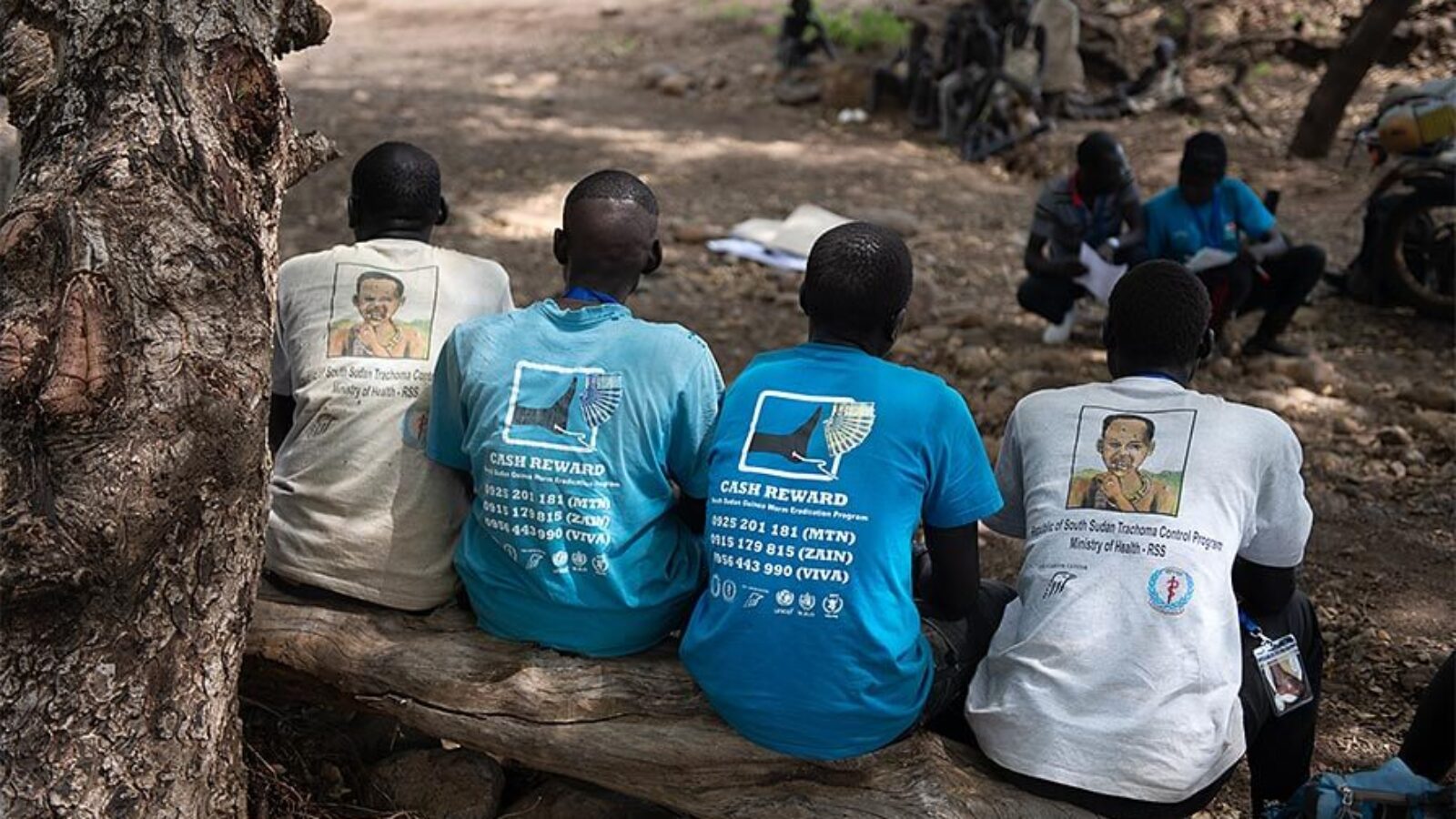
A cash reward system encourages people in South Sudan to watch out for signs of Guinea worm and report them right away. -
With support from The Carter Center, the government of South Sudan works hard at engaging the public on Guinea worm. -
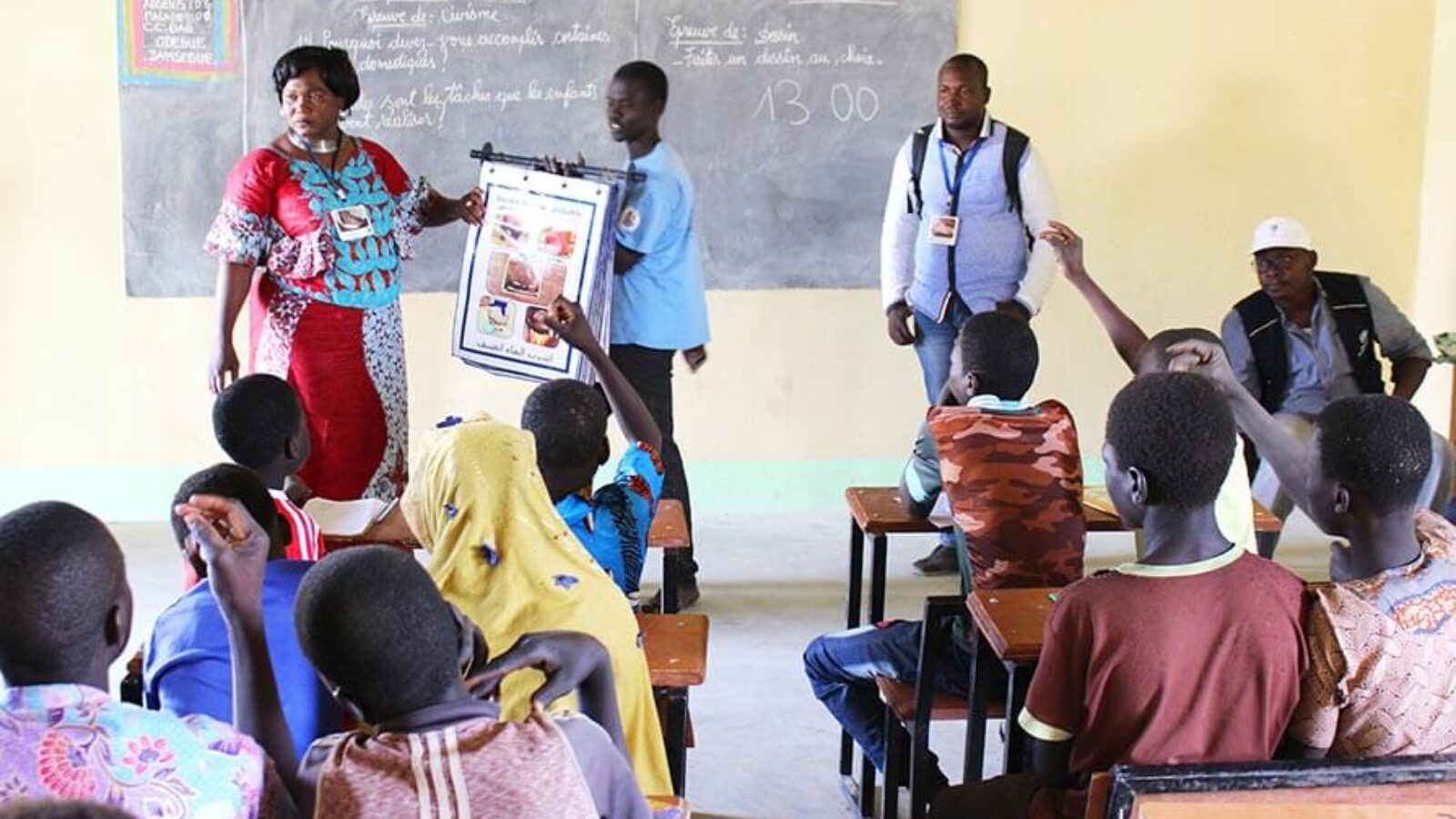
Health workers use flip charts to teach students in Chad about the Guinea worm life cycle. -
Communities members in Chad are rewarded for reporting Guinea worms to the program.

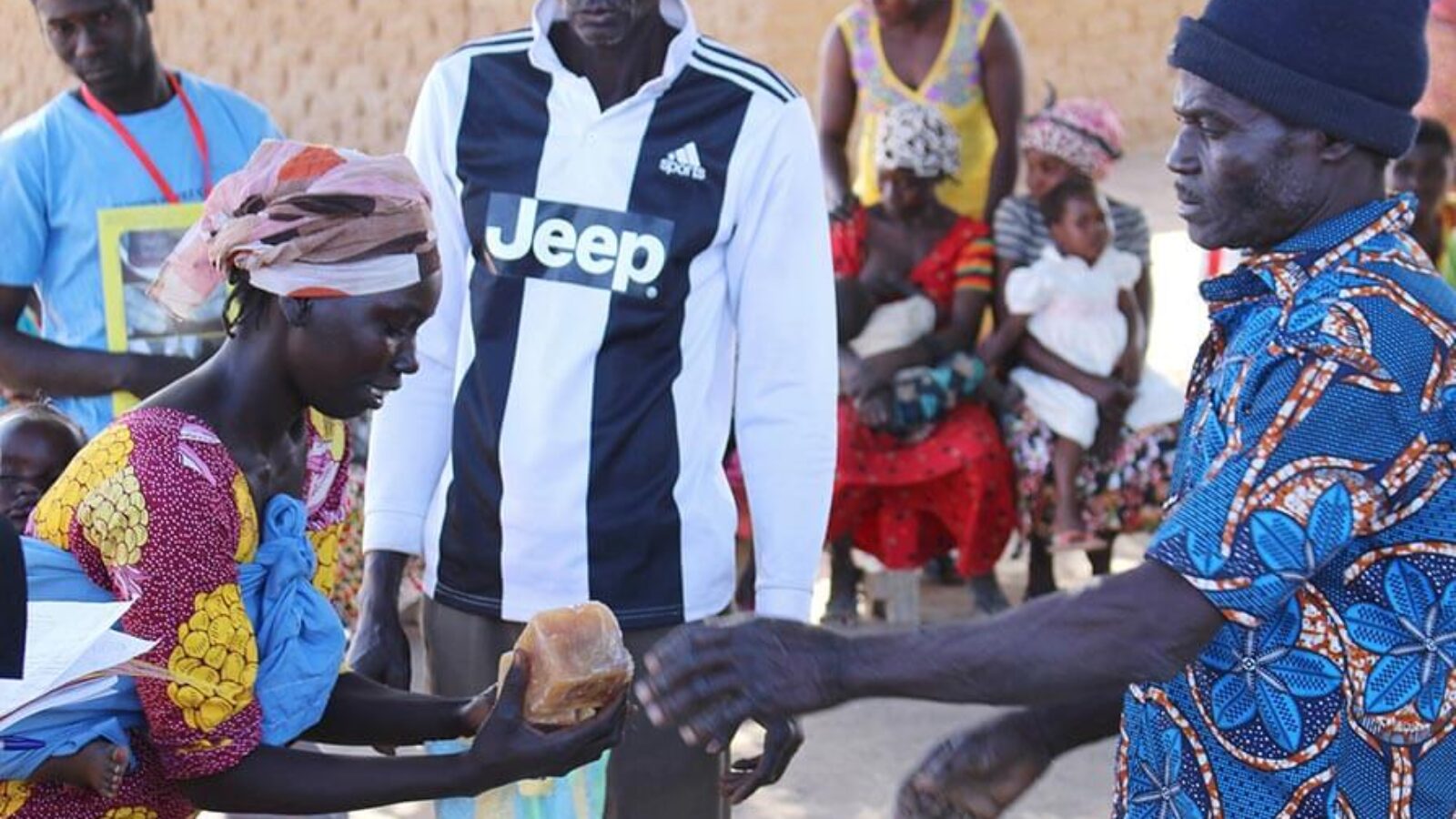
A provisional total of 53 cases of Guinea worm disease were reported in 2019, The Carter Center announced Wednesday. Intensified surveillance and reporting incentives in endemic areas in recent years have produced expected fluctuations in the small number of Guinea worm cases. When The Carter Center assumed leadership of the program in 1986, about 3.5 million human cases occurred annually in 21 countries in Africa and Asia.
About Guinea Worm Disease
Considered a neglected tropical disease, Guinea worm disease is usually contracted when people consume water contaminated with tiny crustaceans (copepods) that carry Guinea worm larvae. The larvae mature and mate inside the patient’s body. The male worm dies. After about a year, a meter-long female worm emerges slowly through a painful blister in the skin. Contact with water stimulates the emerging worm to release its larvae into the water and start the process all over again. Guinea worm disease incapacitates people for weeks or months, reducing individuals’ ability to care for themselves, work, grow food for their families, or attend school.
Without a vaccine or medicine, the ancient parasitic disease is being wiped out mainly through community-based interventions to educate people and change their behavior, such as teaching them to filter all drinking water and preventing contamination by keeping patients from entering water sources.
The campaign against the disease, also called dracunculiasis, has taken on additional complexity in recent years with the rise of infections in animals, primarily dogs in Chad. The world’s foremost experts and partner governments are responding vigorously.
Read some of their stories below.
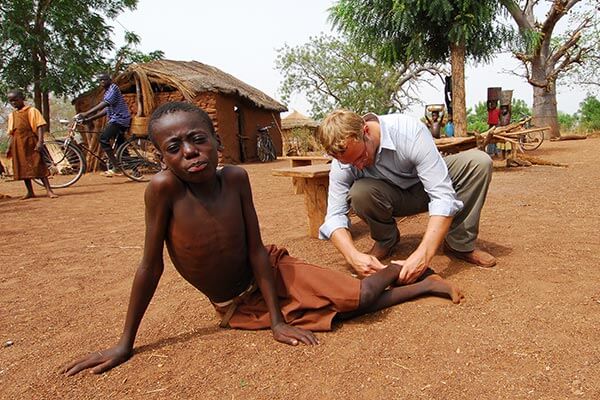
Guinea worm expert Adam Weiss brings extensive field experience from Ghana and Ethiopia to his role as director of the Carter Center’s program.
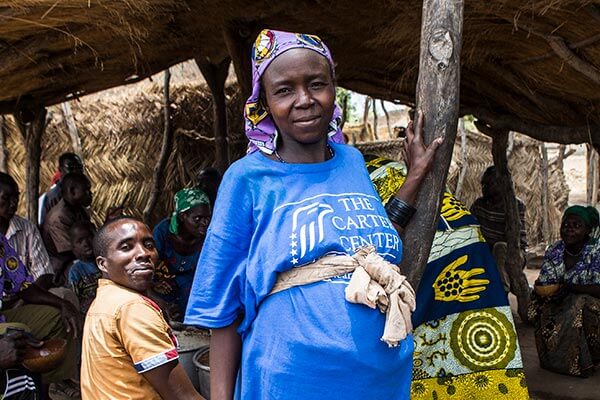
Thousands of village volunteers in Chad play an integral role in the fight against Guinea worm disease by providing free first aid and health education.
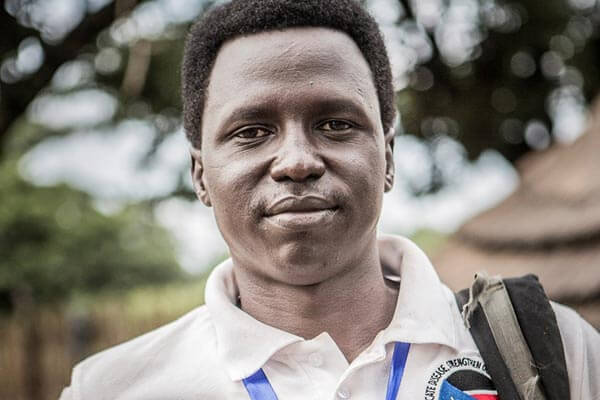
Daniel Deng Madit Kuchlong, a health agent with South Sudan’s Guinea Worm Eradication Program, does not want Guinea worm to hurt other families the way it hurt his.

Dr. Moussa Saye serves as a technical advisor for the Carter Center’s Guinea Worm Eradication Program in Mali, dedicating his days to ridding the Mopti region of the insidious worms.
Global Impact Starts with You
Your support sustains the Carter Center's mission of waging peace, fighting disease, and building hope around the world.