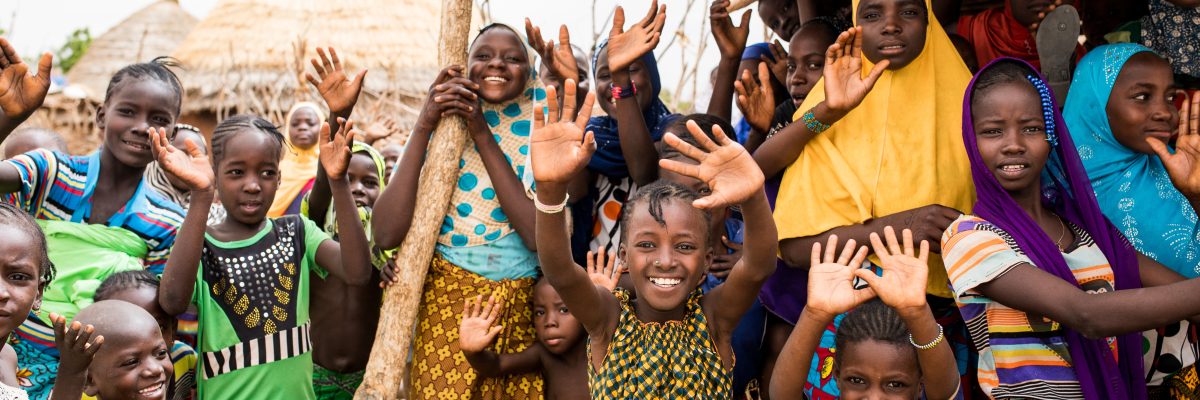
Civil war has ended in Syria, but its people are not yet safe.
Once fighting ceased in December 2024, Syrian families began returning to neighborhoods devastated by the estimated 1 million explosive weapons deployed during the 14-year conflict. Mounds of rubble are now playgrounds for children, and a grave threat lies within the ruins: unexploded bombs that failed to detonate when originally fired but remain deadly.
“On their way to school or out playing, children encounter buildings that were bombed, and they see a shiny object that catches their eye. But it’s not something to play with. Simply touching a mine or bomb can trigger it,” said Tala Haydar, communications manager for SHEILD, a nonprofit that helps raise awareness about the hazards of mines and other explosive munitions across Lebanon and Syria.
The danger is widespread. The Carter Center, which conducted rigorous data analysis of the civil war’s battles, estimates that there are more than 300,000 pieces of unexploded ordnance in Syria. With approximately 5 million children living in areas riddled with these volatile perils, the need for safety education is urgent.
Enter an unlikely hero: Sukkar, a cartoon orange tabby cat.
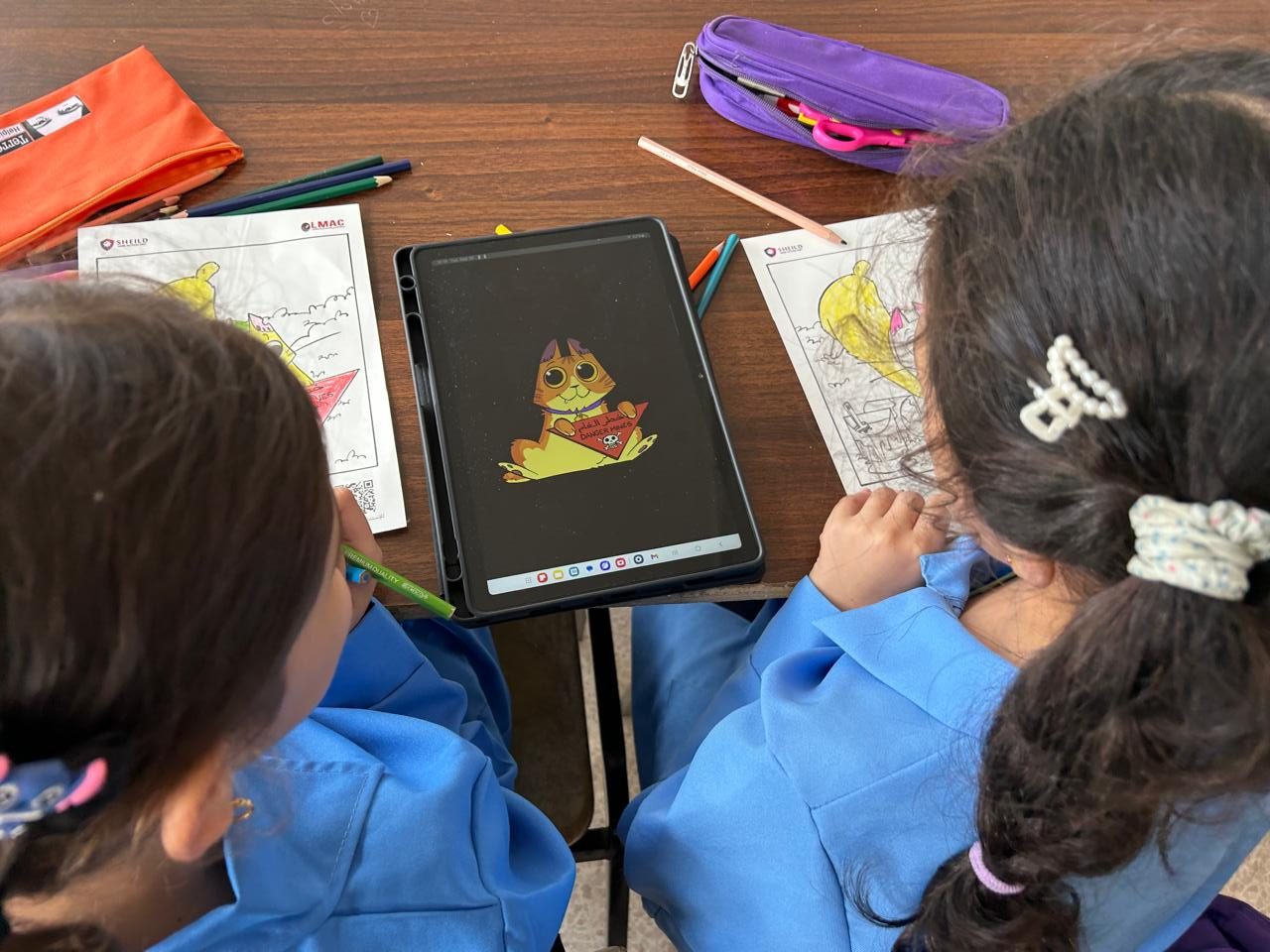
Created by SHEILD, Sukkar helps children learn what to do if they encounter unexploded ordnance. Children first meet Sukkar — Arabic for sugar — through coloring pages. Then, using an augmented reality app for smart devices developed in partnership with The Carter Center, Sukkar comes alive on screen, guiding children through an interactive quiz that reinforces life-saving lessons.
“We’ve already seen that Sukkar is an effective educational tool in Lebanon,” said Rana Shabb, associate director in the Carter Center’s Conflict Resolution Program. “The Carter Center chose to support this innovative expansion into augmented reality because we saw how impactful it could be in Syria.”
For a generation of children whose education was interrupted — or never started at all — augmented reality will help drive Sukkar’s lessons home.
“Some children haven’t been to school because of the war or their parents’ financial problems,” Haydar said. “Children are also simply reading less, but they are attracted to screens and enjoy learning from cartoons. No matter what difficulties they face, they can participate in learning to keep themselves safe.”
So far, more than 300 children in Lebanon have benefited from Sukkar’s augmented reality help, a feat achieved with the help of the Lebanon Mine Action Center. It’s a good start, but it’s only a tiny fraction of children who are exposed to this danger. The Center plans to introduce Sukkar in Syria, and potentially other countries where Arabic is spoken, as a tool to strengthen life-saving lessons.
The project’s benefits extend beyond the classroom. Parents are learning as well.
Haydar recalled meeting a child who told the story of their father finding a small explosive stuck in the branch of a lemon tree. Unsure what it was, he brought it home, displaying it as a decoration. When the child saw the explosive, they knew what to do, having been taught by Sukkar.
What did the child tell their father?
“Sukkar tells us not to touch!” They reported the danger immediately.
Clearing Syria of these deadly remnants may take decades, and The Carter Center is committed to making the country safe for all its people.
“Using our data and expertise, we want to support Syria as it rebuilds,” said Shabb. “Working with SHEILD and helping them bring Sukkar to children in this impactful way ties into the Center’s mission of peacebuilding, and we are directly supporting communities as we make progress in clearing the country of these deadly remnants of war.”
More Stories
Global Impact Starts with You
Your support sustains the Carter Center's mission of waging peace, fighting disease, and building hope around the world.