Investing in Better Ways to Resolve Conflict

Spotlight Profile

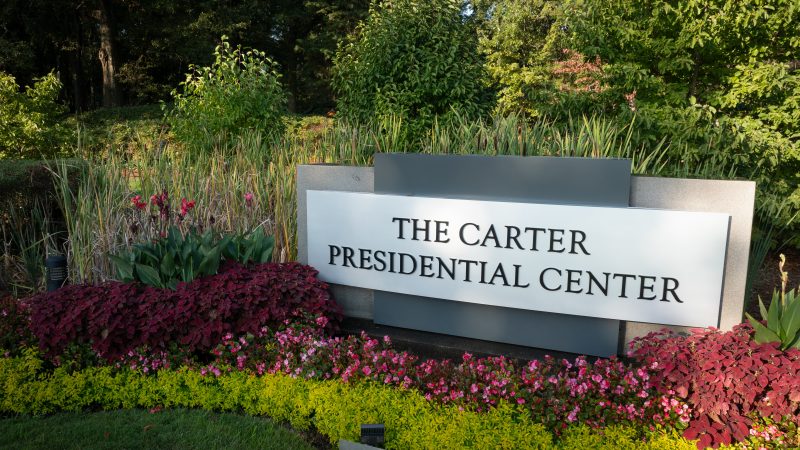
As one who has long admired former President Jimmy Carter’s commitment to brokering peace and fighting disease, Bruce Firestone sees supporting The Carter Center as an investment in a hopeful future. What’s more, by directing his gift to establish an endowed internship, he is also investing in the skills and talents of young professionals whose careers will help to shape that future.

The Bruce Firestone Internship for Conflict Resolution reflects Bruce’s belief in the power of dialogue to resolve conflict and bring about peaceful solutions. By supporting the next generation of leaders, he hopes to advance that vision. This endowed fund will provide interns with the skills and confidence to meet their future aspirations and ambitions.
Conflict resolution has long been important to Bruce, reflecting values deeply rooted in his family’s history and commitment to building a more peaceful world.  Bruce’s father fled Austria in the late 1930s, where he was studying medicine. After completing his medical qualifications in the United States, he joined the U.S. Army during World War II.  As a battalion surgeon with the rank of captain, he received the Silver Star with one Oak Leaf Cluster, reflecting two separate acts of gallantry under enemy fire. Growing up, Bruce could sense the enduring impact the horrors of war had on his father, which led to his conviction that there had to be better ways to resolve conflict.

President Carter’s ability to negotiate the Camp David Accords, establishing a lasting peace between Israel and Egypt, remains an inspiration to Firestone today. The former president’s reputation for integrity and trust, coupled with active mediation to maintain dialogue, were key elements to his success.

Bruce used these qualities himself during his distinguished law career. Through creating dialogue with sincerity and honesty, he would strive to find common ground without compromising his clients’ core interests. He brought an invaluable perspective to helping clients solve legal problems in a constructive manner.

When Bruce’s father returned from the war, he started a medical practice with his wife, Bobbie, who worked with him as a nurse. Together, they served their community for decades. His parents’ lifelong commitment to look after the well-being of others is deeply rooted in Bruce’s respect and love for them. Their public service has also shaped his interest in supporting The Carter Center.

Bruce sees health and peace as going hand in hand. The Carter Center also considers health and peace as being mutually reinforcing agents to spread hope. When conflict resolution teams create periods of peace, healthcare workers can access targeted areas. Better health, in turn, fosters cooperation between the stakeholders while building trust between communities and government officials.

Made possible by Bruce’s generous support, plans for the inaugural internship for conflict resolution will be expanded to include an additional opportunity, possibly centered on health. Two endowed internships will both strengthen the Carter Center’s work and impact and help deepen Bruce’s legacy for future generations.

The Center appreciates the generosity to enable the creation of the inaugural Bruce Firestone Internship for Conflict Resolution, as well as thesecond internship to come. Interns bring fresh perspectives and new ideas, as well as another pair of hands. Yet, equally important to Bruce, these endowed internships equip young professionals with the experience, knowledge, and skills needed to make meaningful change.

In time, the world stands to benefit from their impact.

More Stories

Read More
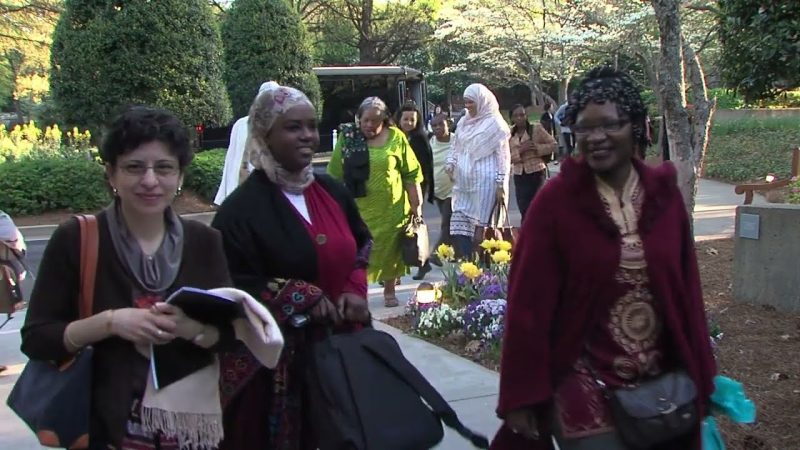
Three women walk toward the camera outside.
Read More
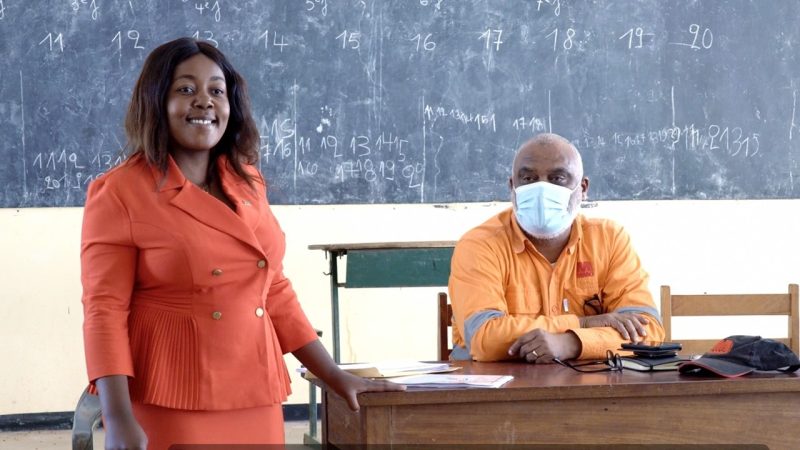
A woman in and orange dress stands by a desk.
Read More