Egypt

The Carter Center observed parliamentary and presidential elections after the January 2011 revolution overthrew President Hosni Mubarak and then monitored the political transition amid growing challenges up until the 2013 military coup. 

President Carter’s deep interest in Middle East peace dated back to the Camp David Accords of 1978, a major accomplishment of his administration that led to peace between Egypt and Israel, and continued after he left the White House.

Impact

  • Established a field office in Cairo after a revolution overthrew President Hosni Mubarak
  • Observed parliamentary and presidential elections in the years 2011-2012
  • President Carter and then Georgia State Sen. Jason Carter co-led different election observation missions
Legacy

Peacebuilding

President Carter’s interest in Middle East peace dated back to the Camp David Accords of 1978, when the Carter administration helped broker peace between Egypt and Israel, and continued after he left the White House. Following the January 2011 revolution that overthrew President Hosni Mubarak, the Center established a field office in Cairo to observe the 2011-2012 parliamentary and 2012 presidential elections.  

Our Work and Methods 

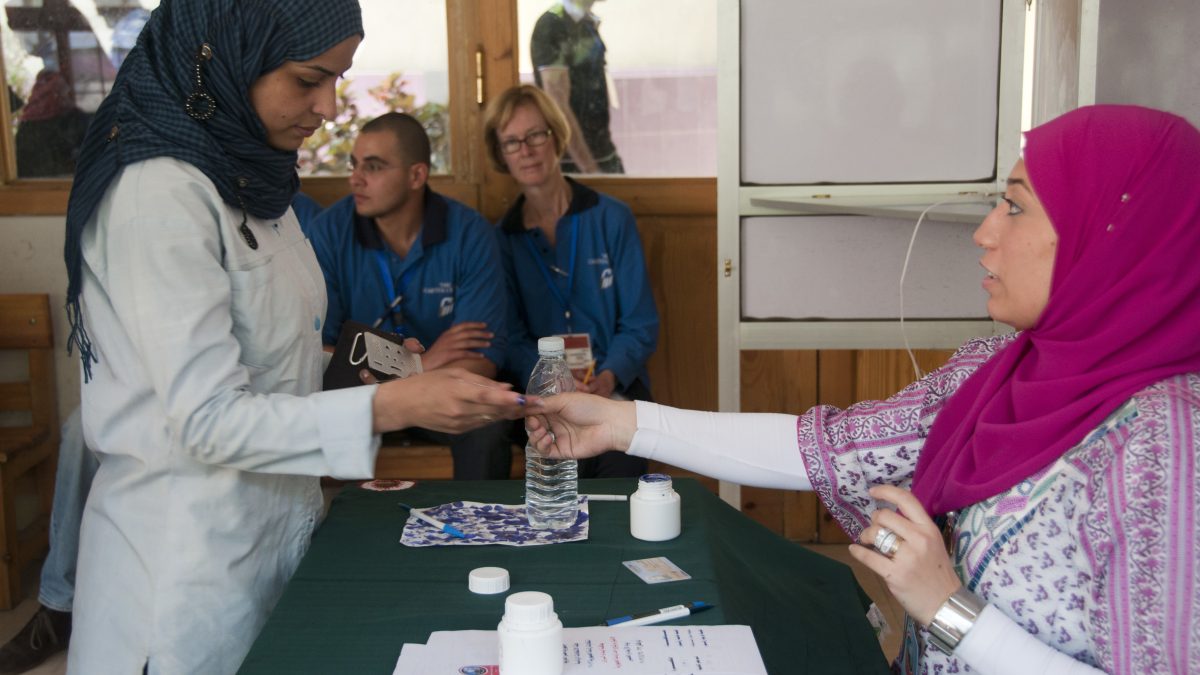
Center missions led by President Carter and Jason Carter observed parliamentary and presidential elections, which were found to be restrictive but broadly representative of the will of the people. A small team of Center experts remained in Egypt as the political environment became increasingly polarized. The team assessed:  

  • The constitution-drafting process and preparations for new parliamentary elections 
  • The broader political process and the text of the new constitution
  • The worsening human rights situation and exclusion of key actors from the political process 

The results of the parliamentary and presidential elections did not last. The Supreme Constitutional Court dissolved the newly elected People’s Assembly in June 2012. Then, in July 2013, the Egyptian military ousted President Mohamed Morsi and announced a new transition plan.  

We maintained a presence in Cairo until October 2014, when the highly restrictive political environment and crackdown on civil society organizations prompted us to close our field office there. 

Related Content

Read More
Read More
Read More