The Carter Center continues the legacy of former First Lady Rosalynn Carter by working to advance two causes she championed throughout her life: improving mental health and supporting caregivers.
Mrs. Carter was a visionary, recognizing early on that these two issues were fundamental to the health and well-being of families and communities. During her time as First Lady, she advocated for both causes and continued her groundbreaking work after leaving the White House, advancing mental health at The Carter Center and supporting caregivers through the Rosalynn Carter Institute for Caregivers (RCI).
In July 2025, the two organizations formally merged, bringing together their critical missions under one roof. This merger offers new opportunities to find synergies between the two programs and expand their impact.
Reducing Stigma Worldwide
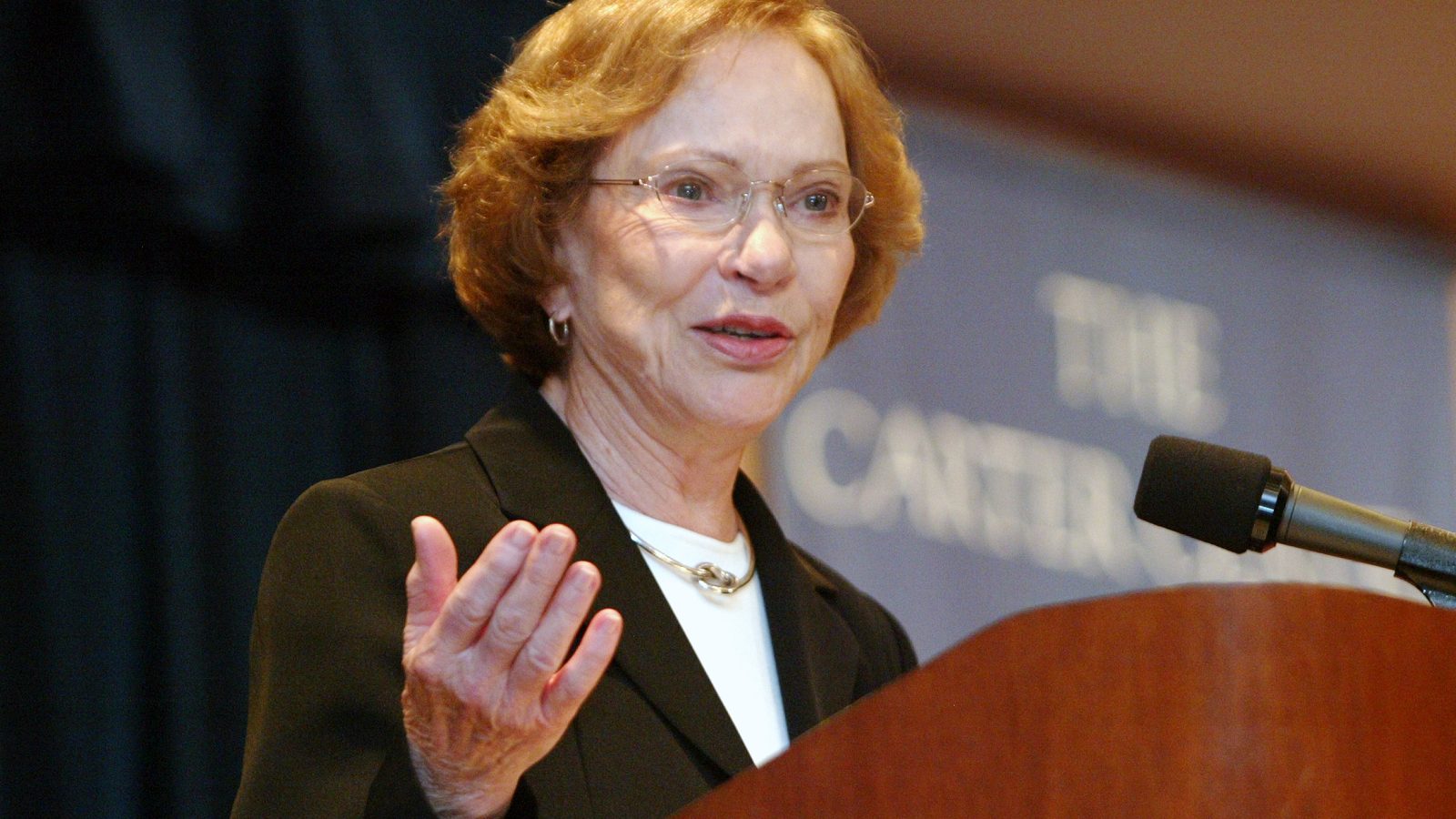
We have a great opportunity to change things forever for everyone with mental illness. The solutions are truly within our reach.
Rosalynn Carter
Former First Lady and Co-founder of The Carter Center
Our Approach
Building on more than four decades of leadership in mental health, the Rosalynn Carter Mental Health and Caregiver Program brings together health leaders, policymakers, and advocates to advance mental health and caregiving worldwide.
In the United States, the program works to strengthen public policy at the state and national levels to improve access to care and support for those living with mental health and substance use conditions. We also connect caregivers to vital services, raise awareness of their essential roles, and advocate for stronger support. Globally, the program partners with governments, international NGOs, journalists, and community organizations to reduce stigma, expand services, and build sustainable mental health systems.
Through the Carter Center’s unique convening power, we unite diverse voices — from media to ministries of health — to create long-term change that promotes understanding, equity, and resilience in mental health.
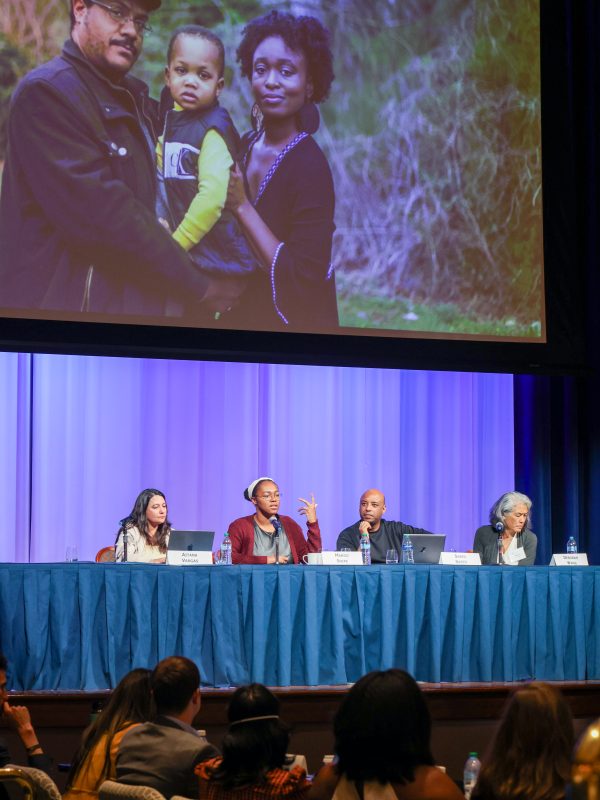
Journalists and mental health experts gathered at The Carter Center in September 2024 to advance ethical, effective mental health reporting through the Rosalynn Carter Fellowships for Mental Health Journalism.
Around the world, our initiatives combat stigma and discrimination, expand access to care, and advance mental health as a basic human right.
Through nonpartisan advocacy, expert forums, clinician training, and the promotion of responsible, accurate news reporting, we work to raise awareness, influence public policy, and advocate for mental health equity. We also champion the millions of family caregivers and others who provide essential care every day.
Read more about our initiatives below.
The Carter Center works in the U.S. and abroad to fight stigma and discrimination related to mental health.
Through our Rosalynn Carter Fellowships for Mental Health Journalism, we offer stipends and training to support accurate and sensitive reporting on topics related to mental health, caregiving, and substance use.
Fellowships are currently awarded to journalists in the United States, as well as to international fellows in the United Arab Emirates, Ireland, and Latin America. We also offer specialized fellowships for journalists reporting on the intersection of mental health and substance use in countries most affected by climate change.
Applications open at the end of January each year. Learn more about the fellowship, access free mental health reporting tools, and how to apply.
The Mental Health Parity Newsroom Collaborative is an exciting partnership between The Carter Center and newsrooms around the country focused on expanding coverage of mental health care access, parity, and inequities in the United States. To date, 45 newsrooms and 120 journalists have participated, producing wide-reaching stories on mental health care access and inequities in the United States.
Participating newsrooms receive training and resources to produce stories as part of the project, connected through a tagline and amplified on a variety of distribution channels.
The Carter Center advances evidence-based solutions to improve mental health outcomes. With our long-standing presence in Georgia, and our strategic outreach across other states and at the federal level, we work to expand access to critical services and support systems.
Our priority areas include: – Mental Health Parity: Promoting policies that ensure coverage of mental health and addiction care is as important as physical health services. – Youth Mental Health and School-Based Services: Supporting early intervention and access to care for children and adolescents in educational settings. – Decriminalization of Mental Illness and Substance Use Disorders: Advancing reforms that support rather than punish individuals in crisis. — Systems of Care for Older Adults with Serious Mental Illness: Strengthening systems and supports for aging populations with complex behavioral health needs.
Through legislative advocacy, coalition building, education, and public awareness campaigns, we work to positively transform mental health policy and systems across the United States.
The Global Mental Health Initiative at The Carter Center is engaged in the mental health revolution — a movement to reduce stigma, expand access to care, and affirm mental health as a fundamental human right.
Building on more than 15 years of experience in Liberia, we work globally to bring lasting change to mental health services. Alongside governments, people with lived experience, health care workers, international partners, and key community stakeholders, we are co-creating robust ecosystems for mental health and well-being.
Our work enables low- and middle-income countries to enhance access to quality mental health care and improve overall health wellbeing for individuals, their families, and communities by strengthening health systems.
For nearly 40 years, Mrs. Carter’s visionary leadership has inspired us to recognize family caregivers, who are often unseen. Our ongoing research and advocacy aim to bring caregiving and caregivers out of the shadows and into the light of appreciation and support.
Our caregiver support has empowered tens of thousands of caregivers across all 50 states and Puerto Rico, raising awareness, building confidence, and easing the emotional and practical burdens of care.
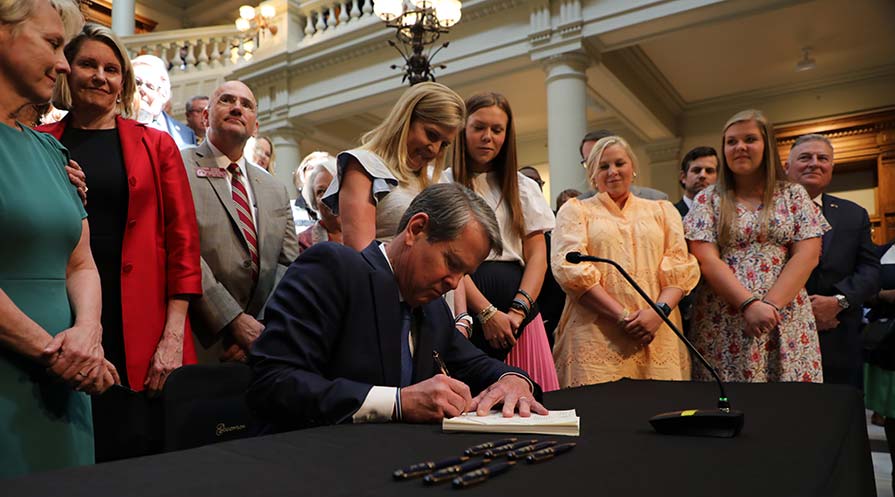
More than 105 million Americans serve as family caregivers, yet support systems remain limited. We work to ensure policymakers address the unique challenges caregivers face.Georgia Gov. Brian Kemp signs the Mental Health Parity Act into law on April 4, 2022. We advocate for the passage and enforcement of parity laws to ensure everyone has equitable access to the care they need.
Played a key role in passing a U.S. law that requires insurance companies to cover mental health services on par with physical ailments.
Transformed the mental health ecosystem in Liberia by training mental health workers, advocating for laws and policies to improve treatment, promoting awareness, supporting local organizations, and empowering family caregivers and those in need of care.
Supported accurate and sensitive media coverage on mental health and substance use disorders.
Pressed for national mental health policies and built workforce capacity through government partnerships.
Led stigma-reduction and anti-discrimination campaigns in several countries.
Gathered national leaders in the mental health field to address issues of common concern and recommend action steps.
Developed programs specifically tailored to support dementia caregivers and help them care for their loved one – and care for themselves.
Driven change to improve the strength, health, and resilience of family caregivers.
Established in 1995, the Rosalynn Carter Georgia Mental Health Forum brings together providers, policymakers, advocates, and consumers each May to discuss timely state mental health policy issues.
By the Numbers
300+
Number of journalists the Carter Center’s mental health journalism fellowship program has supported across seven countries, including the United States.
360+
Number of mental health clinicians, including 140 who specialize in child and adolescent care, that The Carter Center helped train across Liberia.
Contact Us
Questions? Concerns? Speaker request? Please email the Rosalynn Carter Mental Health and Caregiver Program.
Archie Pitah lost hope when he was diagnosed with tuberculosis. Then a Carter Center-trained nurse showed him he wasn’t alone. Now Archie is TB-free and helping others.
Getting care for an eating disorder shouldn’t require a legal fight. But for too many people, it does. This Mental Health Month, watch investigative journalist Eli Cahan — recipient of a Rosalynn Carter Fellowship for Mental Health Journalism — on what he found and why it matters.
Global Impact Starts with You
Your support sustains the Carter Center's mission of waging peace, fighting disease, and building hope around the world.