On the Ground in the Democratic Republic of the Congo
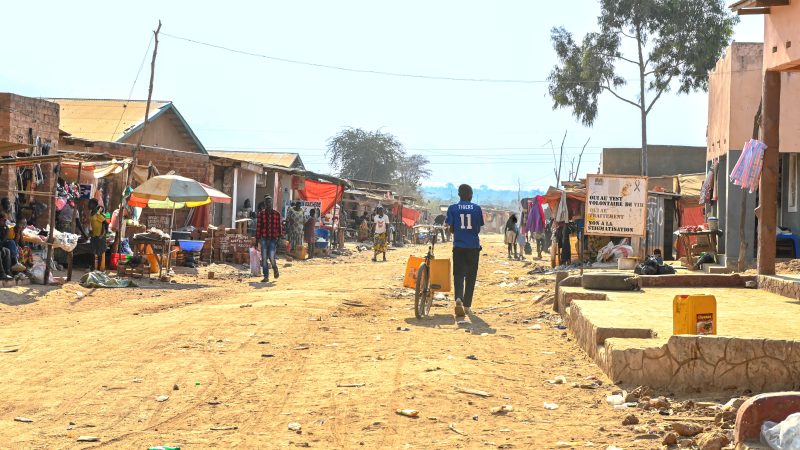
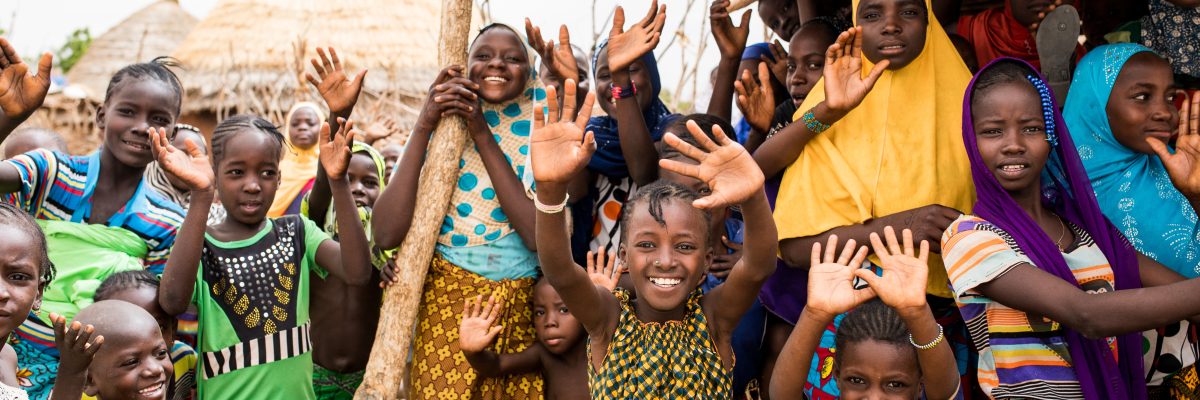
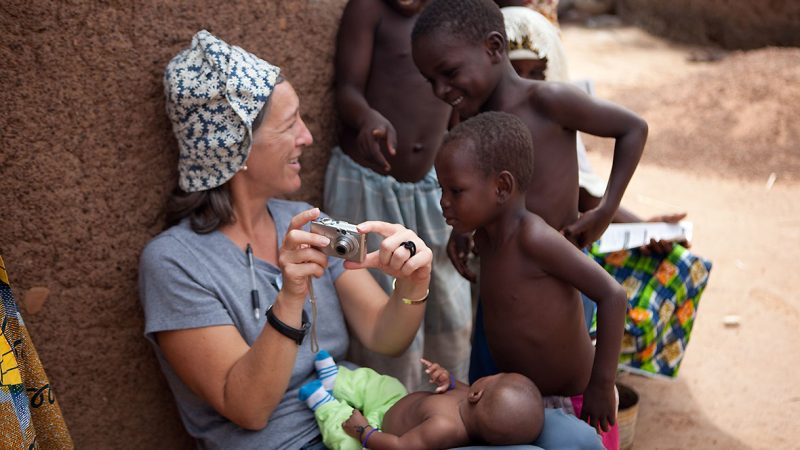
The village of Kifita in the DRC sits near land being mined by foreign investors. The Carter Center helped residents secure key investments, including a community center, hospital and school.
For 20 years, The Carter Center has worked to promote peace, democracy, and human rights in the Democratic Republic of the Congo.
The second-largest country in Africa has outsized regional and global importance, thanks to its vast natural resources, environmental significance, large and ethnically diverse population, and the fact that it’s bordered by nine countries.
Roughly the size of Western Europe, the DRC suffered decades of brutal dictatorship and years of civil war. It continues to endure ongoing conflicts, especially in the east. The strife is rooted in politically motivated ethnic decisions, fights over natural resources, regional competition, long-standing hostilities, weak governance, and more.
“Our work shows the benefit of a long term presence, especially as communities confront new and enormous challenges,” said Romain Ravet, the Center’s DRC country representative for the past three years. “Our various programs exist to help the Congolese people have a voice in international and domestic policy processes that impact their lives.”
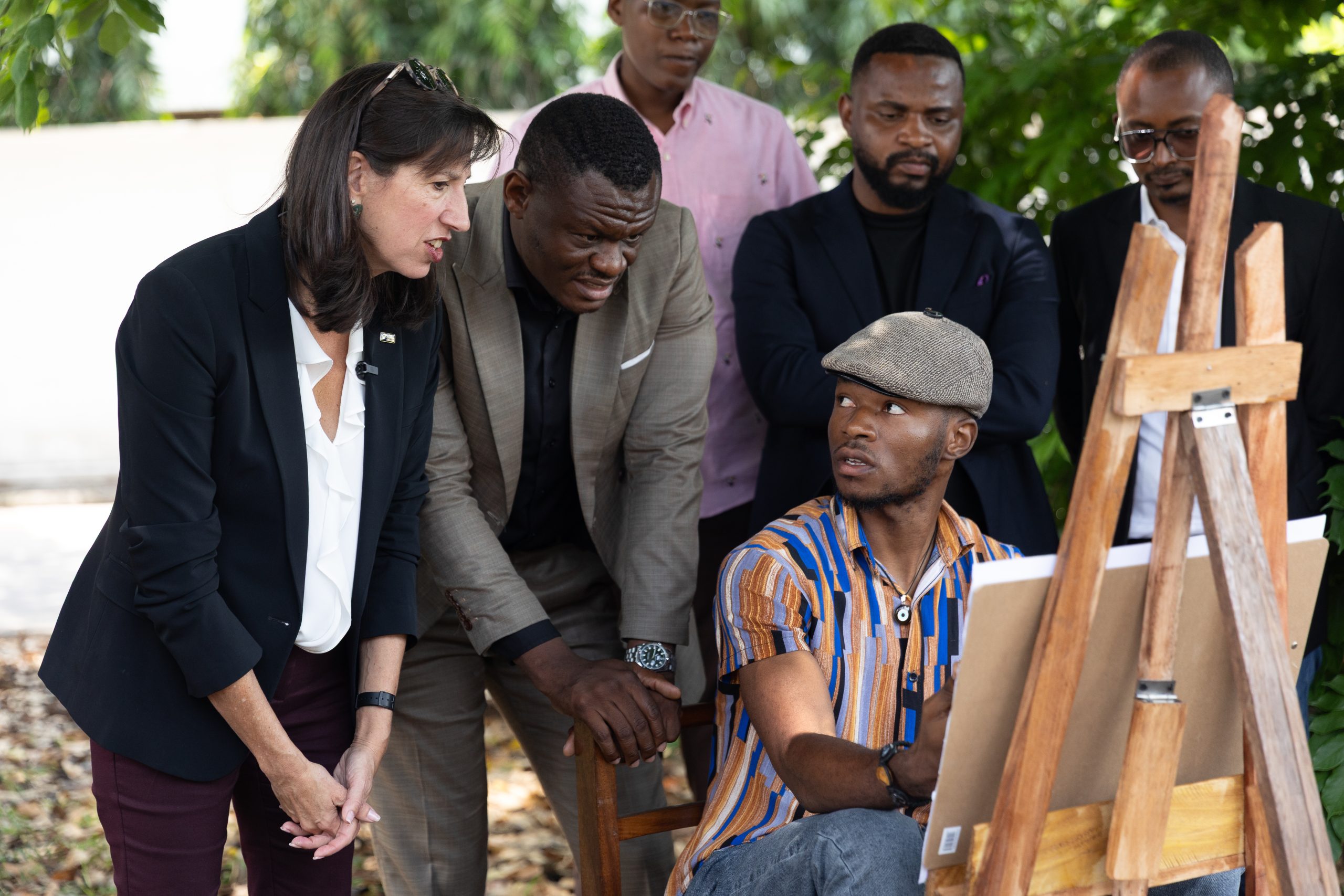
The Carter Center’s initial foray into the country began in 2006, when it observed elections there. Since then, it has established two permanent offices — one in the capital of Kinshasa, the other in Lubumbashi — with nearly 50 staff members.
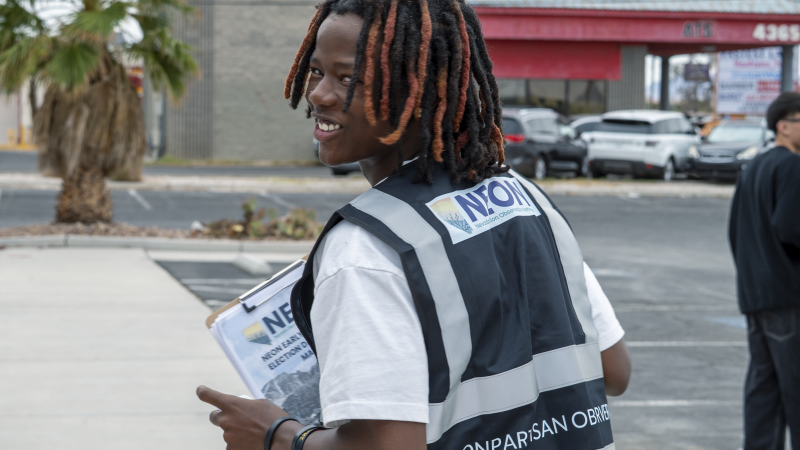
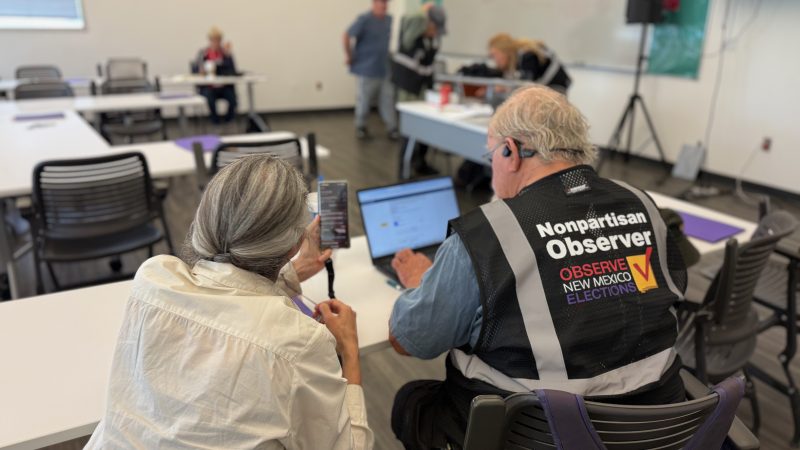
The Center continues to strengthen electoral processes, having monitored three additional elections, while offering recommendations for improvement and supporting citizen observer networks. It also partners with Congolese nonprofits to back human rights defenders, empower women, and help youth be a force for good in their communities. Youth account for at least 60% of the DRC’s population of 115 million.
The ongoing work is paying off. The Carter Center has established networks to safeguard human rights defenders. With support from the Canadian government, it is expanding an initiative that’s already reached more than 1.5 million women and girls and funded nearly 100 women’s rights organizations. And the Center has leveraged the passion of young people, training them on topics that include disinformation, leadership, and critical thinking.
“This is a really consequential moment in the DRC’s history, and what happens now is going to have lasting and global impacts,” said Beth Plachta, the Center’s Atlanta – based associate director of the human rights and democracy projects in the DRC.
On top of this work, The Carter Center is leading local efforts to increase the transparency and accountability of mining, oil, and gas companies, an issue that’s becoming more urgent amid increased risks of corruption and exploitation.
The DRC is one of the most mineral rich countries in the world. It produces more than 70% of the planet’s cobalt, which is needed for batteries used in electronics and electric vehicles. But about 90% of the DRC’s resources, worth an estimated $24 trillion, remain undeveloped. So far.
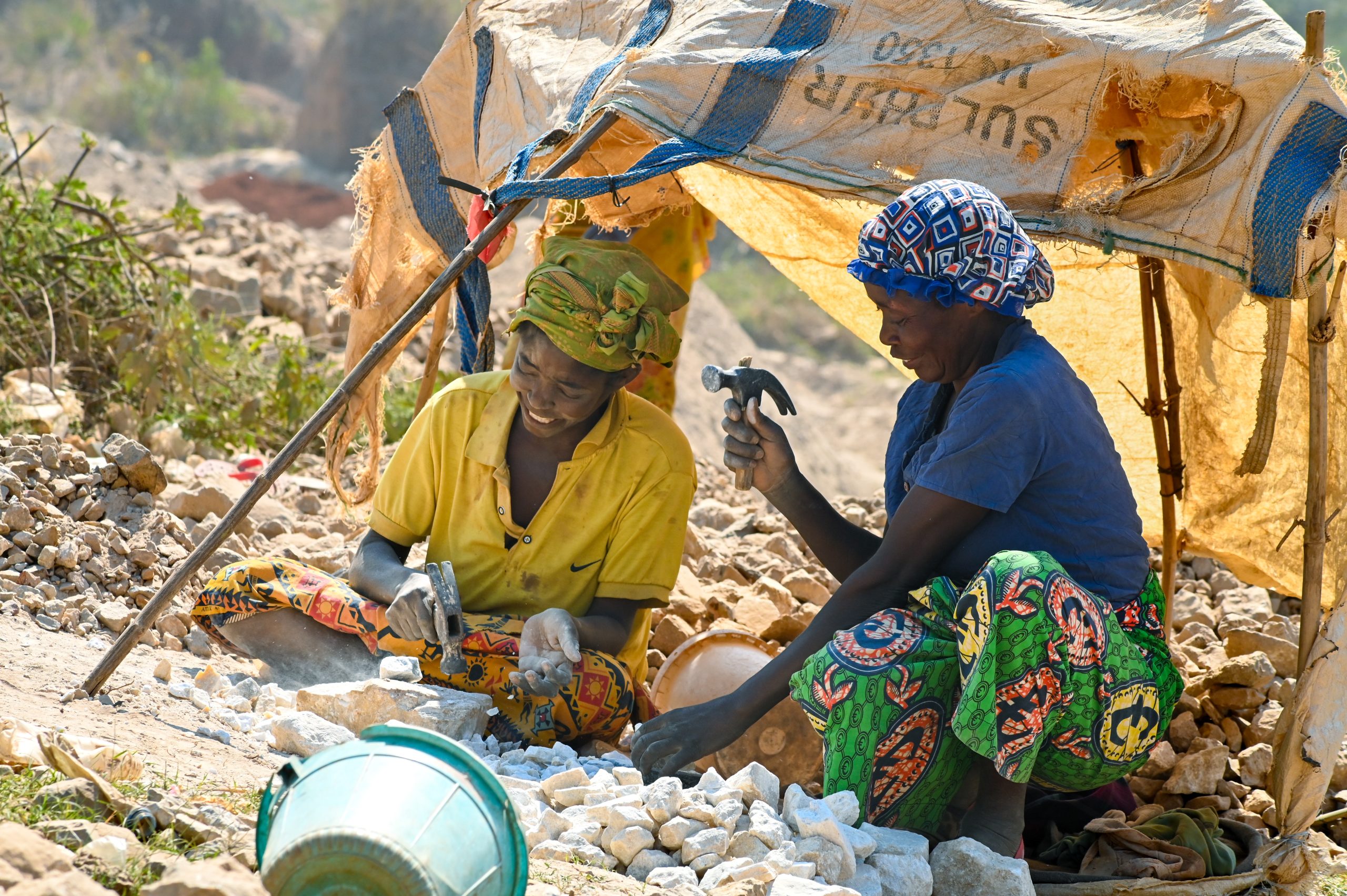
Mining companies grow rich, while most Congolese people see no gains and often suffer. Communities near extraction sites, already impoverished, have lost work, been displaced, and experienced health and environmental repercussions.
“Our goal is to minimize the harm done to these communities while maximizing the benefits,” said Fabien Mayani, director of the Center’s Extractive Industries Governance Project in the DRC. “The wealth generated from Congolese resources should create shared value, not just profits for foreign investors.”
The Carter Center helps ensure access to mining sector information and fights against corruption. It identifies risks and impacts from extraction and provides recommendations for safety and remediation. And it supports communities so they can negotiate with mining companies to secure investments that serve them.
By the end of 2025, these efforts to encourage negotiations secured more than $300 million in community investments, paving the way for services like health clinics, schools, and community centers.
“There’s so much more to be done,” said Ravet, the Center’s country representative. “But we are uniquely positioned to keep doing good work.”
More Stories
Global Impact Starts with You
Your support sustains the Carter Center's mission of waging peace, fighting disease, and building hope around the world.