Peru’s 2026 Election: What The Carter Center Observed
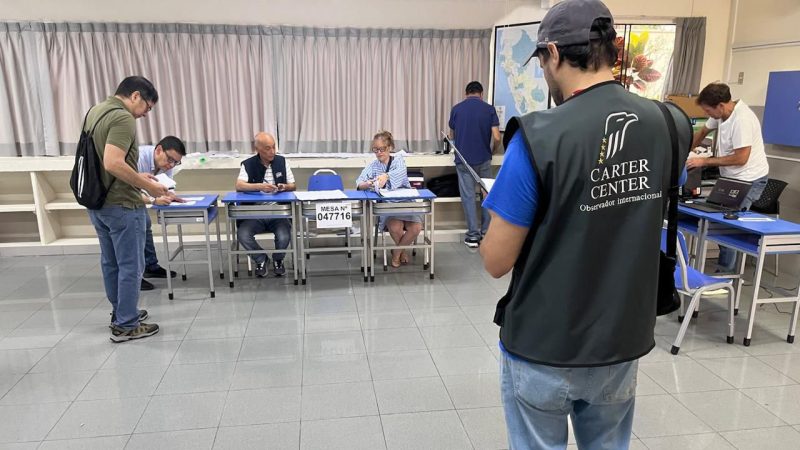
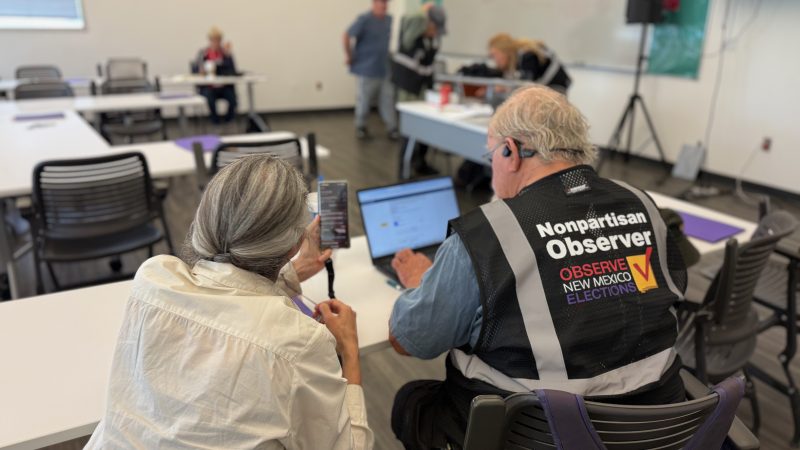
A member of the Carter Center’s election observation mission observes the April 12 election in Peru.
A team of seven Carter Center experts spent the month before Peru’s April 12 election in Lima, meeting officials and assessing the electoral process. We spoke with Jonathan Stonestreet, senior associate director for the Carter Center’s Democracy Program, about what the mission observed and the Center’s plans for the next round of voting.
How does the Carter Center’s long history in Peru influence the mission’s work there today?
The Carter Center is well known in Peru, particularly among election administration officials, who are also familiar with our work elsewhere in the region — in Bolivia, Colombia, Venezuela, and Brazil. That helps establish us as an impartial and independent observation organization. People understand that we are not arriving with an agenda or in favor of any candidate. They know us, and they have respect for President Carter.
That trust opens doors. We received our invitation to observe the election at the beginning of August of last year — a reflection of the confidence that comes from long-standing regional relationships.
Heading into April 12, public trust in Peru’s political and electoral institutions was already low. Why?
After the 2021 presidential election, decided by a very slim margin, the losing side claimed fraud — a significant blow to public confidence in the election management bodies previously recognized as a model of how to run an election.
Beyond 2021, political polarization has increased and trust in many institutions has plummeted, including the national legislature and political parties. There have been eight presidents in 10 years, several removed through impeachment.
Add fears that illegal money — drug trafficking, illegal mining — is flowing into politics, and many feel the system is being captured by outside interests. All of this created a very difficult environment heading into April 12.
What did the mission set out to do, and what did it observe on the ground?
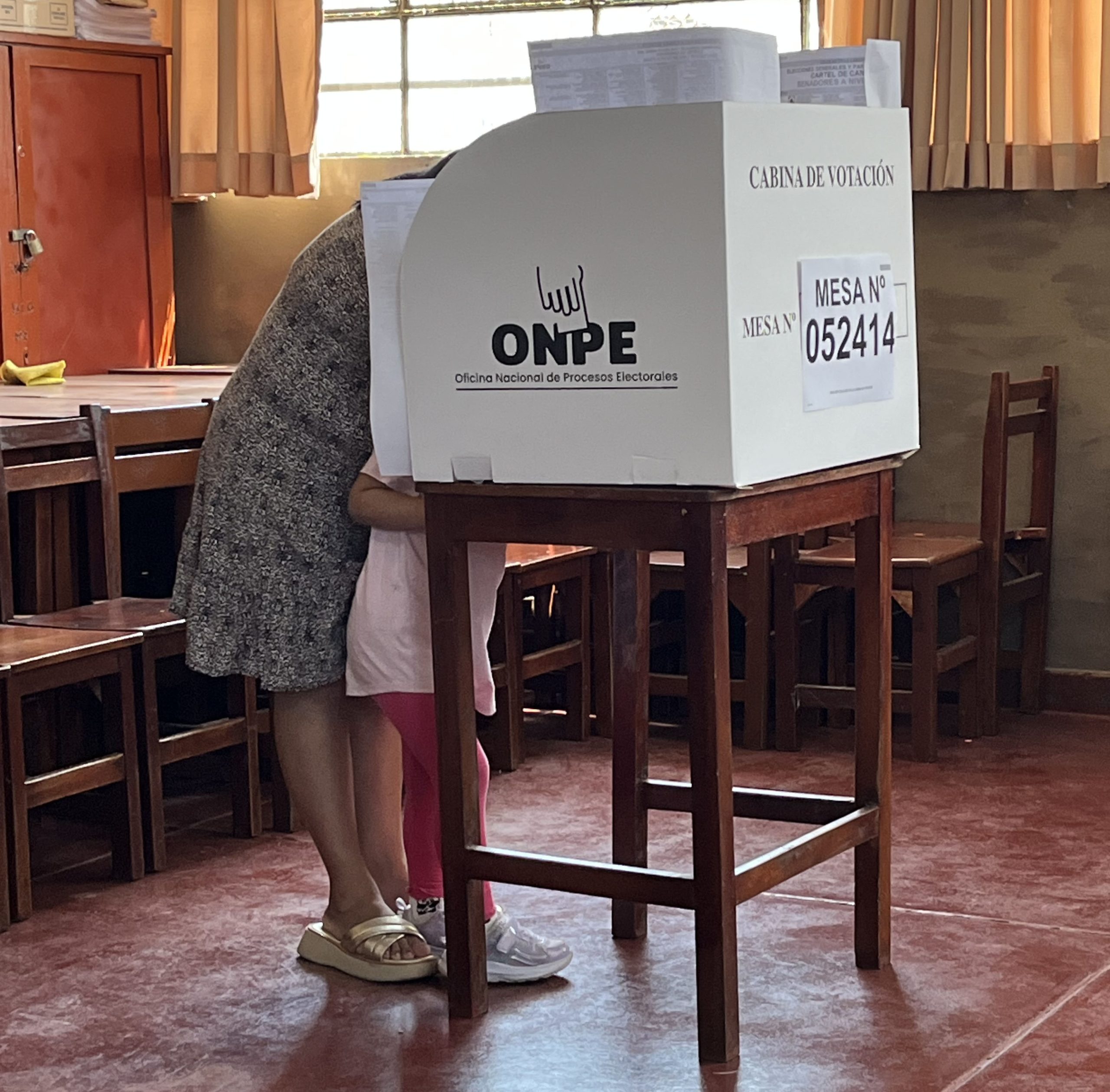
Our team focused on the legal framework, election administration, technology, and political financing — not a comprehensive election-day observation. But even with a limited presence in Lima, we saw logistic breakdowns on Election Day: polling stations opening late and roughly 150 polling stations across at least three sites that never opened because election materials weren’t delivered. Authorities extended voting to the following day for these locations, but the damage was done. These problems fueled unsubstantiated fraud narratives in a polarized climate.
What has been the fallout since the election?
Public confidence is further strained, with some candidates rejecting the results. Several senior election management officials resigned or were dismissed due to the logistic problems. However, the process of determining the presidential results has moved forward, with the two candidates receiving the most votes participating in the June 7 runoff. Counting for the legislative elections continues.
What kind of response did we observe from voters?
Where stations hadn’t opened yet, people were visibly upset — angry, vocal, frustrated. Where voting was underway, it looked like a normal Election Day. The frustration was real, but so was the commitment to participate.
Had election authorities taken earlier steps to try to improve the process?
Authorities made several meaningful improvements. They cleaned the voter register — removing deceased voters, adding newly eligible 18-year-olds — and ran extensive education campaigns for an unusually complex ballot. They also changed ballot preservation rules: Ballots are now kept after counting, making recounts possible for the first time, which significantly strengthens transparency and accountability. These and other findings are outlined in our postelection preliminary statement.
Peruvians return to the polls on June 7. What are you hoping to see done differently?
The runoff will be simpler — a single presidential race, a more straightforward ballot, cleaner logistics. We hope that failures in materials distribution will not be repeated.
Equally important is how candidates behave. In a close race, will the loser accept the result — or challenge it responsibly through legal channels — rather than attacking the process itself? Peru has put significant effort into building a credible electoral system. That credibility erodes quickly — restoring it requires competent administration and responsible conduct from all sides.
More Stories
Global Impact Starts with You
Your support sustains the Carter Center's mission of waging peace, fighting disease, and building hope around the world.