10 Guinea Worm Cases Reported Last Year, Lowest on Record
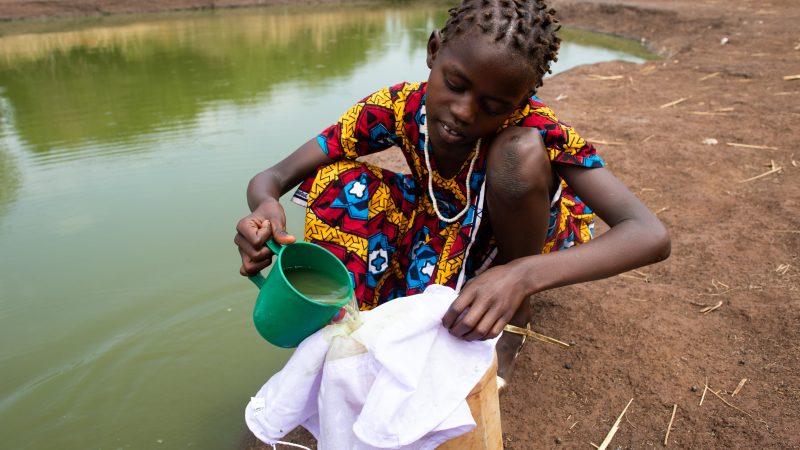
Kurujwok Okoth Oriew, 10, of Wichini village, pours pond water through a household filter into a pail in Gog, Ethiopia.
Only 10 human cases of Guinea worm disease were reported worldwide in 2025 — the lowest number ever recorded — bringing the ancient parasitic disease closer than ever to eradication.
The provisional figure marks a 33% decline from the 15 cases reported in 2024,
continuing the momentum of a initiative championed by former U.S. President
Jimmy Carter. Having made eradication a personal mission, President Carter often said he wanted to outlast the last Guinea worm. He very nearly did.
“This campaign reflects the values that shaped my grandparents’ lives — the conviction that hope, hard work, and respect for everyone can change the world. Seeing Guinea worm cases reach historic lows is one of the clearest expressions of that legacy.”
Of the 10 cases, four were detected in Chad, four in Ethiopia, and two in South Sudan. Angola, Cameroon, the Central African Republic, and Mali each reported
zero human cases for the second consecutive year.
When The Carter Center assumed leadership of the global eradication campaign
in 1986, an estimated 3.5 million people contracted Guinea worm each year across 21 countries in Africa and Asia. Since then, the campaign has averted more than 100 million cases — a more than 99.99% reduction. Guinea worm is poised to become only the second human disease eradicated in history, after smallpox, and the first achieved without a vaccine or medicine.
Eradication requires eliminating the disease in animals as well as humans, since
the same species of worm, Dracunculus medinensis, infects both. Chad, once the global epicenter for animal infections, reduced Guinea worm infections in domestic animals by 47% in 2025 — its sixth consecutive year of progress. Still, global animal infections rose slightly, driven by increases in Cameroon and Angola.
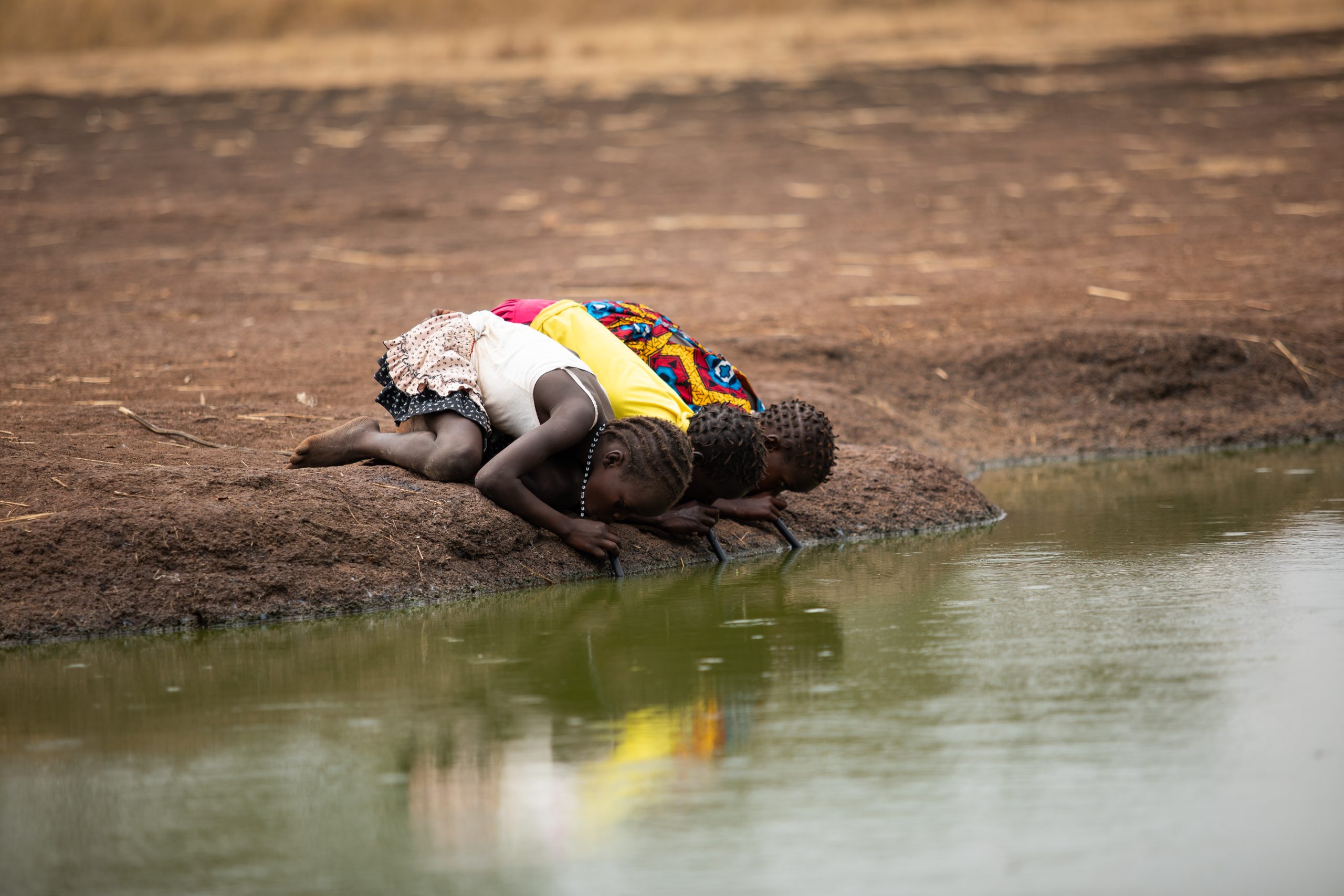
People and animals contract Guinea worm by drinking water contaminated
with tiny larvae. About a year later, a 3-footlong worm exits the body through a painful blister, most often on the legs and feet. Sufferers frequently submerge their limbs in water to relieve the burning, inadvertently releasing larvae and continuing the cycle of infection. The agony can last for weeks, leaving people unable to work, care for their families, or attend school.
Progress depends on strong community partnerships. Hundreds of thousands
of volunteers are trained to provide health education, and people in endemic countries receive cash rewards for reporting cases. In 2025, national programs investigated more than one million such reports, nearly all within 24 hours.
“Each number represents a person we know by name,” said Adam Weiss, director
of the Carter Center Guinea Worm Eradication Program. “We’re energized by this year’s progress, but zero is the only acceptable number.”
Related Content



Global Impact Starts with You
Your support sustains the Carter Center's mission of waging peace, fighting disease, and building hope around the world.